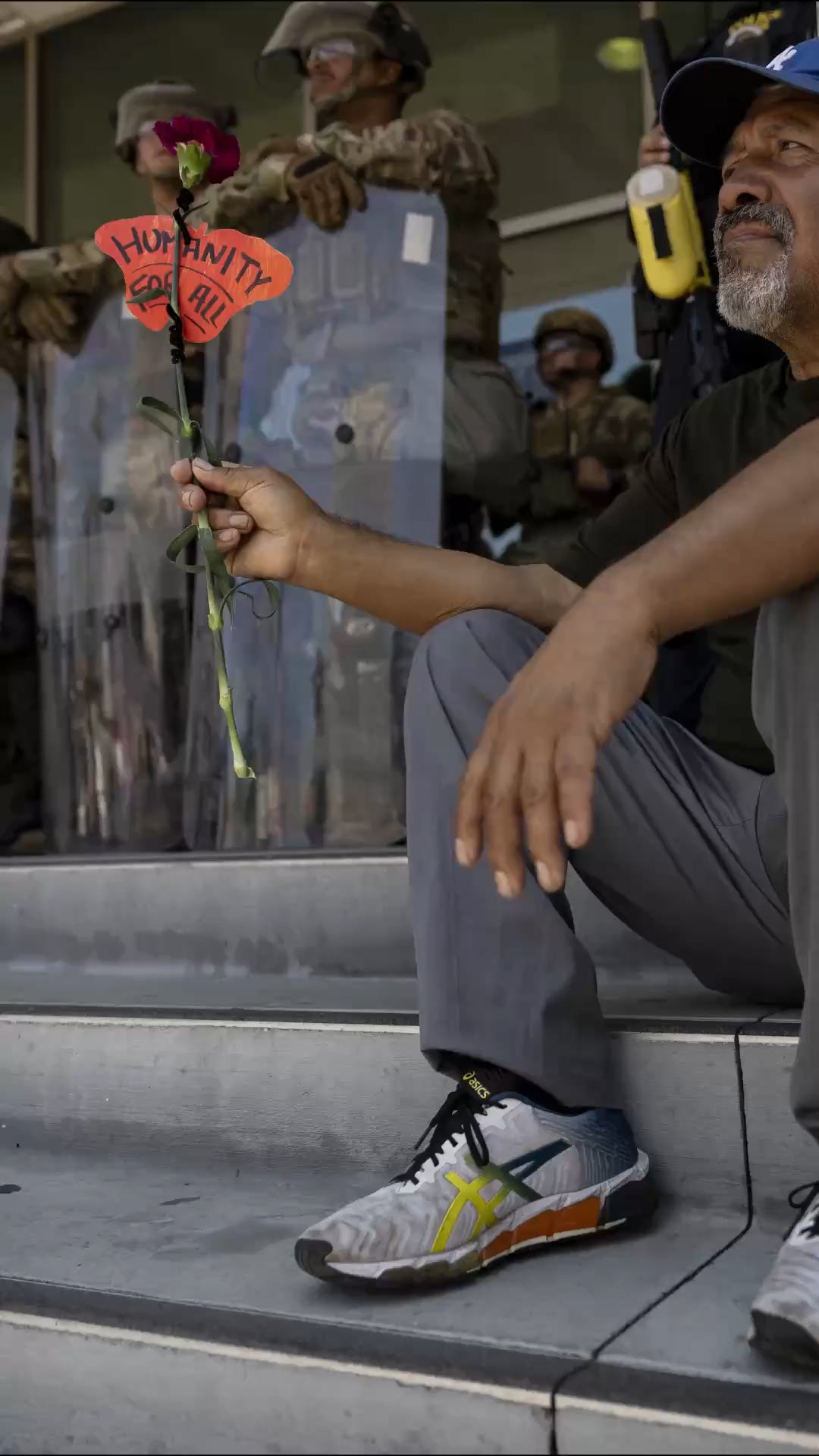
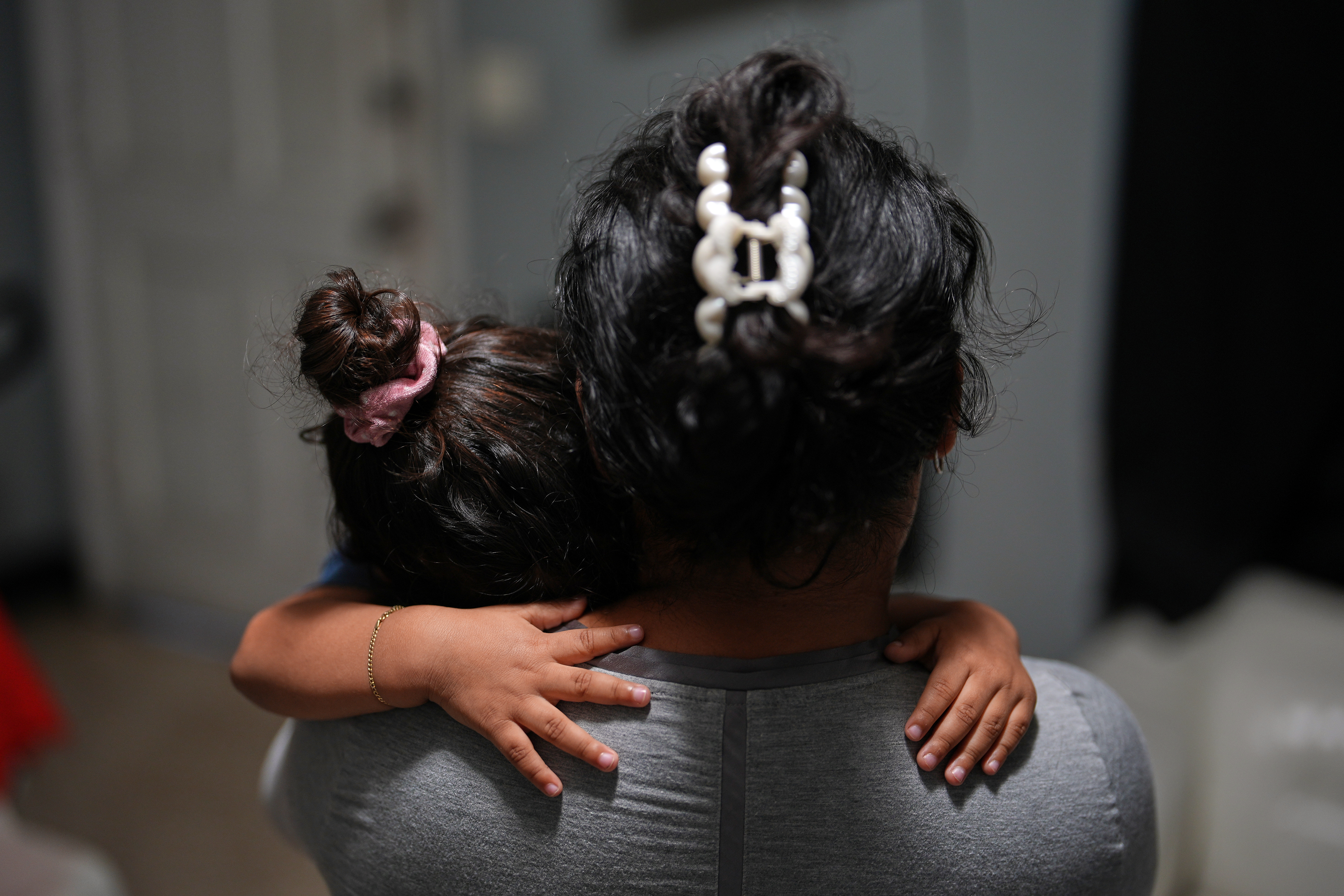
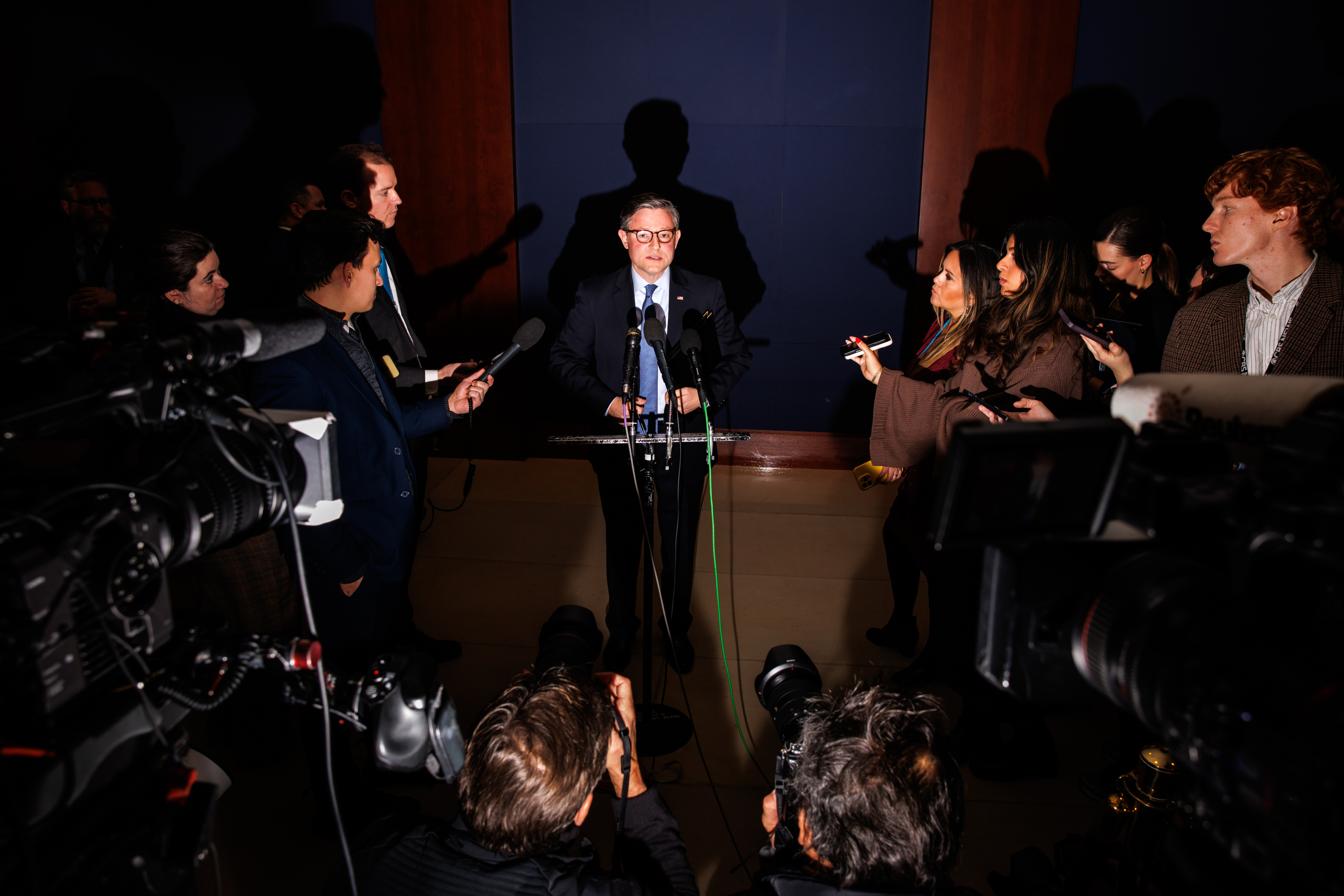
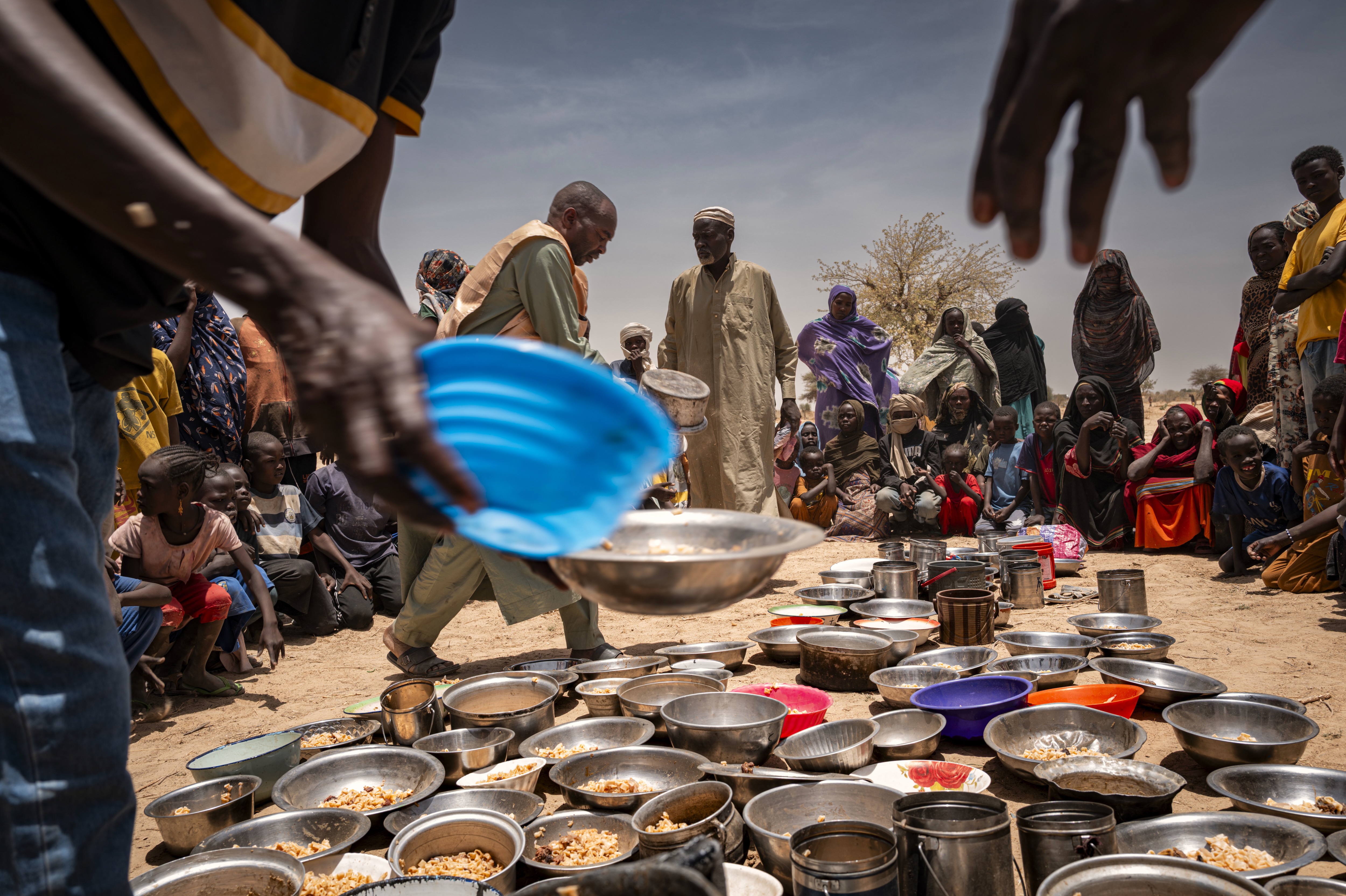
US Border Patrol Cmdr. Gregory Bovino (C) walks through a department store in St. Paul, Minnesota, June 15, 2026.
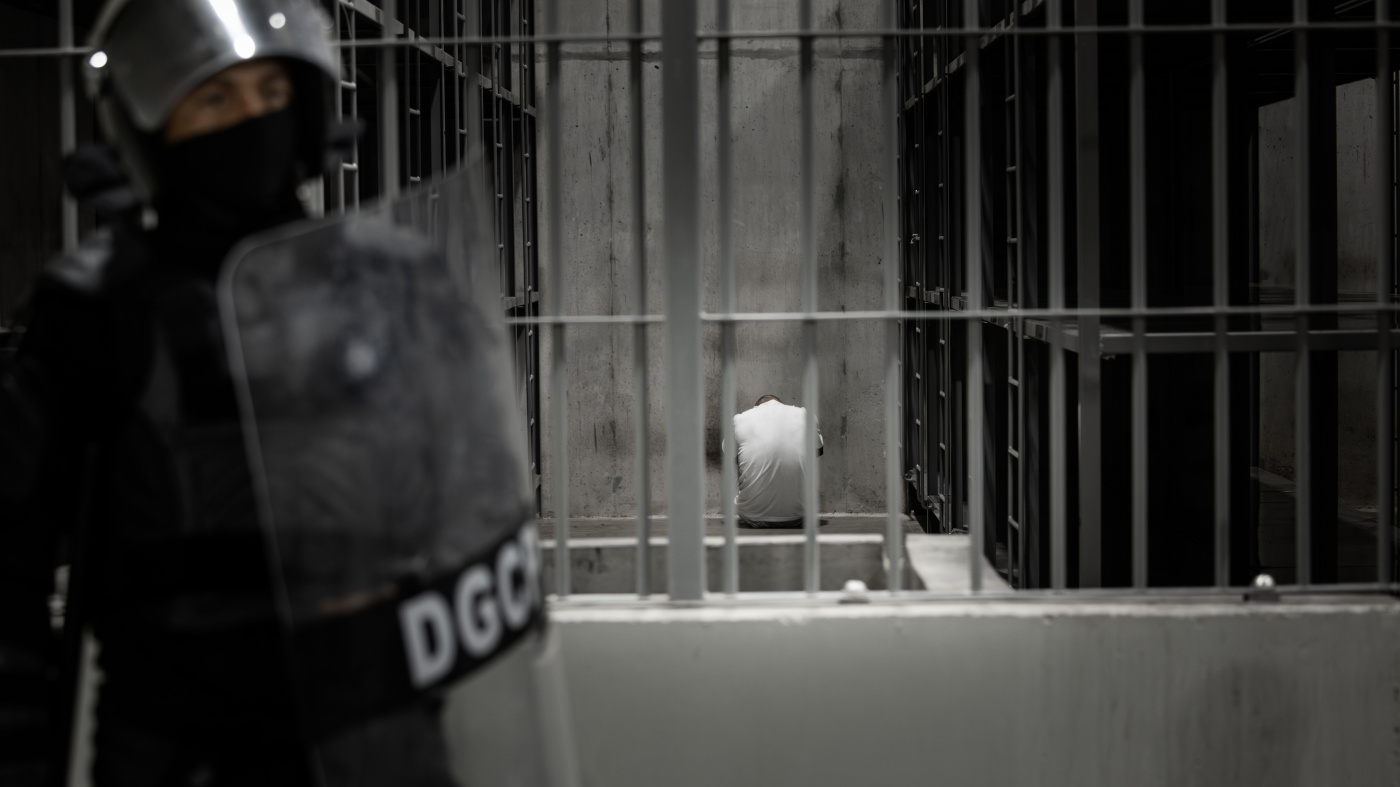
A Venezuelan migrant sits inside a cell at CECOT prison in Tecoluca, El Salvador, June 15, 2026.
The global human rights system is in peril. Under relentless pressure from US President Donald Trump, and persistently undermined by China and Russia, the rules-based international order is being crushed, threatening to take with it the architecture human rights defenders have come to rely on to advance norms and protect freedoms. To defy this trend, governments that still value human rights, alongside social movements, civil society, and international institutions, need to form a strategic alliance to push back.
To be fair, the downward spiral predated Trump’s reelection. The democratic wave that began over 50 years ago has given way to what scholars term a “democratic recession.” Democracy is now back to 1985 levels according to some metrics, with 72 percent of the world’s population now living under autocracy. Russia and China are less free today than 20 years ago. And so is the United States.
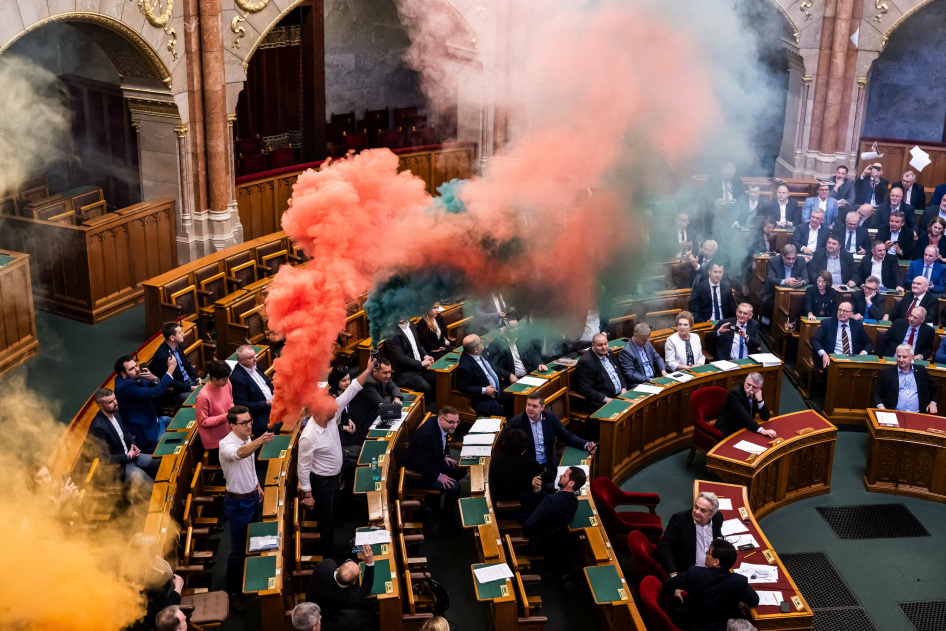
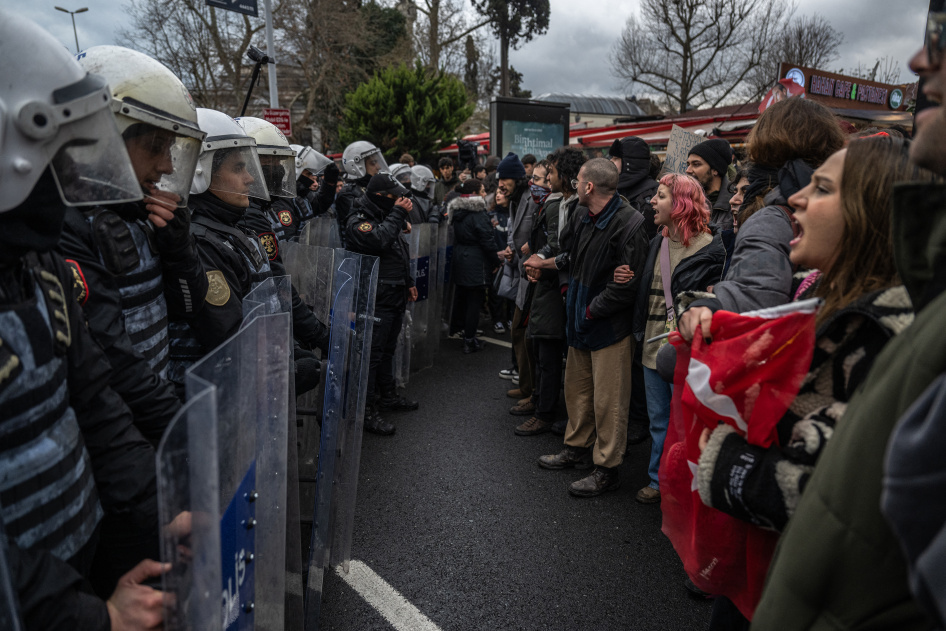
Of course, democracy is not a panacea for human rights violations; the US and other longtime democracies have their own histories of colonial crimes, racism, abusive justice systems, and wartime atrocities. More recently, authoritarian leaders have exploited public mistrust and anger to win elections and then dismantled the very institutions that brought them to power. Democratic institutions are crucial to represent the will of the people and keep power in check. It’s no surprise that whenever democracy is undermined, rights are too, as evident in recent years in India, Türkiye, the Philippines, El Salvador, and Hungary.
FIRST: The Momentum Movement’s parliamentary representative David Bedo and independent member of parliament Akos Hadhazy protest against a law that bans Pride marches in Hungary and imposes fines on organizers and attendees of such events, Budapest, June 15, 2026. © 2025 Marton Monus/Reuters; SECOND: University students confront riot police in Istanbul’s Beşiktaş district following the arrest of Istanbul Mayor Ekrem İmamoğlu, June 15, 2026. © 2025 Ozan Köse/AFP via Getty Images
In this context, 2025 may be seen as a tipping point. In just 12 months, the Trump administration has carried out a broad assault on key pillars of US democracy and the global rules-based order, which the US, despite inconsistencies, was, with other states, instrumental in helping to establish.
In short order, Trump’s second-term administration has undermined trust in the sanctity of elections, reduced government accountability, gutted food assistance and healthcare subsidies, attacked judicial independence, defied court orders, rolled back women’s rights, obstructed access to abortion care, undermined remedies for racial harm, terminated programs mandating accessibility for people with disabilities, punished free speech, stripped protections from trans and intersex people, eroded privacy, and used government power to intimidate political opponents, the media, law firms, universities, civil society, and even comedians.
Claiming a risk of “civilizational erasure” in Europe and leaning on racist tropes to cast entire populations as unwelcome in the US, the Trump administration has embraced policies and rhetoric that align with white nationalist ideology. Immigrants and asylum seekers have been subjected to inhumane conditions and degrading treatment; 32 died in US Immigration and Customs Enforcement custody in 2025, and as of mid-January 2026, an additional 4 have died. Masked immigration enforcement agents have targeted people of color, using excessive force, terrorizing communities, wrongfully arresting scores of citizens, and, most recently, unjustifiably killing two people in Minneapolis, whose deaths Human Rights Watch has documented.
The US president of course has the authority to tighten US borders and enforce stricter immigration policies. The administration is not, however, entitled to deny legal process to asylum seekers, mistreat undocumented migrants, or unlawfully discriminate. In a well-functioning democracy, no electoral mandate should supersede domestic legislation, constitutional protections, or international human rights law. Trump’s team has repeatedly bypassed these guardrails.
The violations have not stopped at the border. The Trump administration used a 1798 law to send hundreds of Venezuelan migrants to an infamous prison in El Salvador, where they were tortured and sexually abused. Its blatantly unlawful strikes on boats in the Caribbean and the Pacific extrajudicially killed more than 120 people whom Trump claims were drug traffickers.
US Border Patrol Cmdr. Gregory Bovino (C) walks through a department store in St. Paul, Minnesota, June 15, 2026.
A Venezuelan migrant sits inside a cell at CECOT prison in Tecoluca, El Salvador, June 15, 2026.
After the US attacked Venezuela and apprehended its president, Nicolás Maduro, and his wife, Cilia Flores, Trump claimed the US would “run” the country and control its vast oil reserves. Despite paying lip service to human rights concerns under Maduro at the United Nations, Trump has worked with the same repressive apparatus to further US interests. Many Western allies have chosen to stay silent about these lawless moves, perhaps fearing erratic tariffs and blowback to their alliances.
Trump’s foreign policy has upended the foundations of the rules-based order that seeks to advance democracy and human rights, even if imperfectly.
Trump has boasted that he doesn’t “need international law” as a constraint, only his “own morality.” His administration has politicized the US State Department’s annual human rights report, stepped away from the global prohibition on antipersonnel landmines, voiced support for rewriting international rules on asylum, and skipped the UN’s Universal Periodic Review of the US’ human rights record.
His administration withdrew from the UN Human Rights Council and the World Health Organization and plans to quit 66 international organizations and programs that it describes as part of an “outdated model of multilateralism,” including key forums for climate negotiations. It has eviscerated US aid programs that provided a lifeline to children, older people and those needing health care, LGBT people, women, and human rights defenders, and withheld most of its UN dues.
Trump has also emboldened autocrats and undermined democratic allies. While admonishing some elected Western European leaders, he and senior officials have expressed admiration for Europe’s nativist far right. He has favored autocrats such as Hungary’s Prime Minister Viktor Orban, Türkiye’s President Recep Tayyip Erdoğan, and El Salvador’s President Nayib Bukele, while continuing decades of US support to Saudi Crown Prince Mohammed bin Salman and Egypt’s President Abdel Fattah al-Sisi.
His administration has unjustifiably imposed sanctions to punish respected Palestinian human rights organizations, the International Criminal Court’s (ICC) prosecutor and many of its judges, a UN special rapporteur, and for several months, a Brazilian Supreme Court judge and his wife.
The institutional response in the US to Trump’s power grabs has been shockingly muted. Much of Congress, controlled by his own party, has not challenged his supercharged expansion of executive power. The leaders of the US’ most powerful technology companies have made significant donations and sought to placate the president. Some big law firms and prestigious universities have made deals rather than assert their independence, and some media organizations seem afraid to attract the president’s ire.
Has the US switched sides on the human rights playing field? While US engagement with human rights institutions has always been selective, China and Russia have long pursued an illiberal agenda. They stand much to gain from a US government that now expresses open hostility to universal rights. China and Russia remain strategic rivals of the US, but all three countries are now led by leaders who share open disdain for norms and institutions that could constrain their power.
Police detain an activist outside the State Duma, the lower house of the Russian parliament, before lawmakers approved a bill that punishes online searches for information that is deemed “extremist,” in Moscow, June 15, 2026.
Together, they wield considerable economic, military, and diplomatic power. If they were to consistently act as allies of convenience to erode global rules, they could threaten the entire system. Already, a loose international network of countries such as North Korea, Iran, Venezuela, Myanmar, Cuba, and Belarus work in concert with Russia and China. These leaders share very little ideologically but align in undermining human rights and promoting a regressive international agenda. In word and in practice, the US government is now helping them in this endeavor.
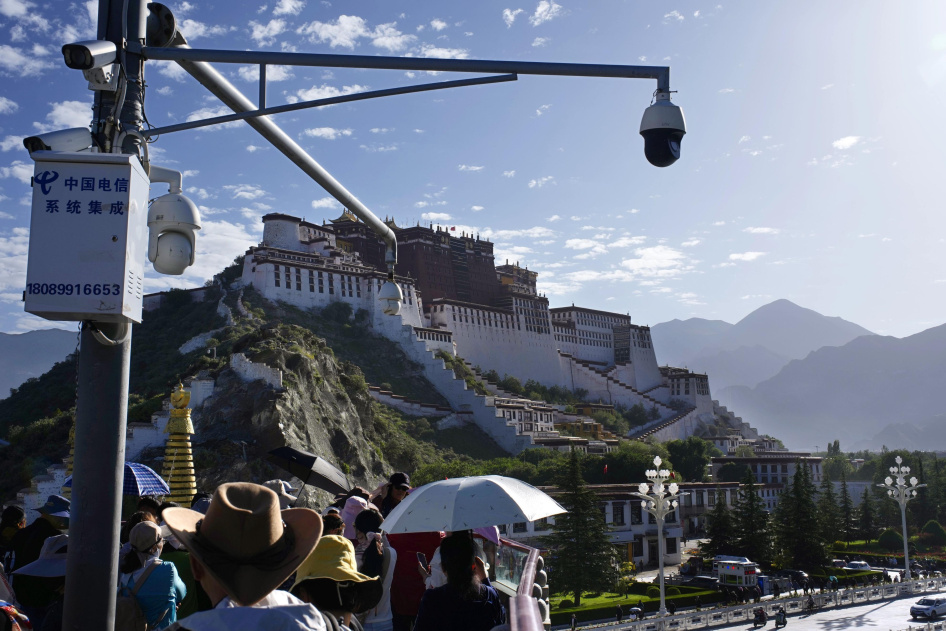
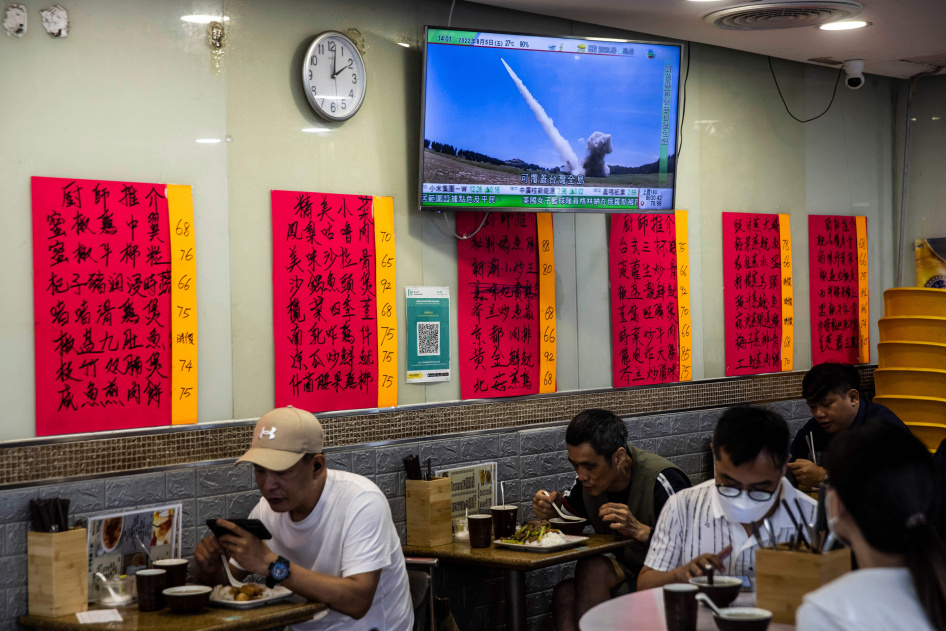
FIRST: Surveillance cameras installed in Lhasa, Tibet Autonomous Region, June 15, 2026. © 2025 Kyodo News via Getty Images; SECOND: A television in a restaurant in Hong Kong shows a missile being launched during military exercises being held by China around the island of Taiwan, June 15, 2026. © 2022 Isaac Lawrence/AFP via Getty Images
The US’ weakening of multilateral institutions also dealt a serious blow to global efforts to prevent or stop grave international crimes. The “never again” movement, born from the horrors of the Holocaust and reignited by the Rwandan and Bosnian genocides, spurred the UN General Assembly to embrace the Responsibility to Protect (R2P) in 2005. Meant to guide international intervention to prevent and stop atrocities in tandem with efforts to prosecute and punish serious crimes, R2P made a real difference in places like the Central African Republic and Kenya.
Today, R2P is rarely invoked and the ICC is under siege. In addition to Trump’s far-reaching sanctions, in December 2025 a Moscow court sentenced the ICC prosecutor and eight of its judges to prison terms in absentia. Moreover, despite being ICC fugitives, in 2025, Russia’s President Vladimir Putin was welcomed by Donald Trump in Alaska, and Israel’s Prime Minister Benjamin Netanyahu traveled to Hungary, an ICC member state at the time, at Orban’s invitation.
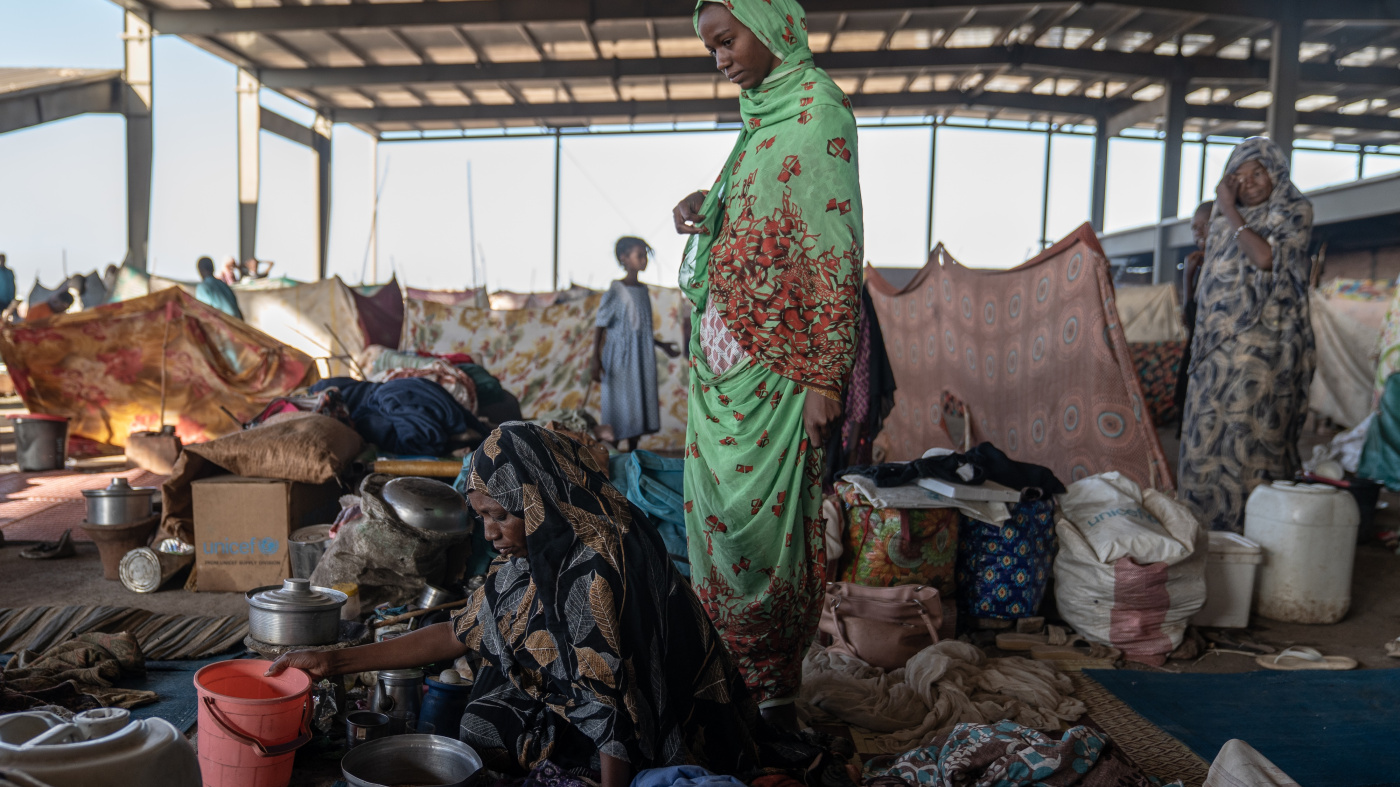
Twenty years ago, the US government and civil society were instrumental in galvanizing a response to mass atrocities in Darfur. Sudan is burning again, but this time under Trump, with relative impunity. Sudan’s Rapid Support Forces (RSF), which emerged from the militias that led the prior ethnic cleansing campaign, are again committing murder and rape on a mass scale. A growing body of evidence indicates that the UAE, a longtime US ally that recently made multi-billion-dollar deals with Trump, is providing the RSF with military support.
A former bus station turned into internally displaced person settlement in Gedaref, Sudan, June 15, 2026.
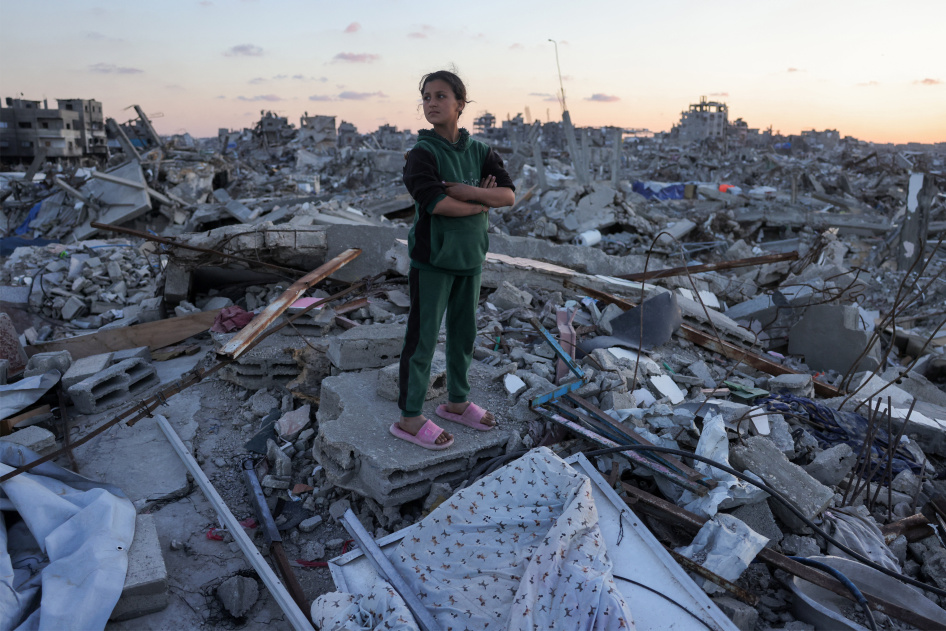
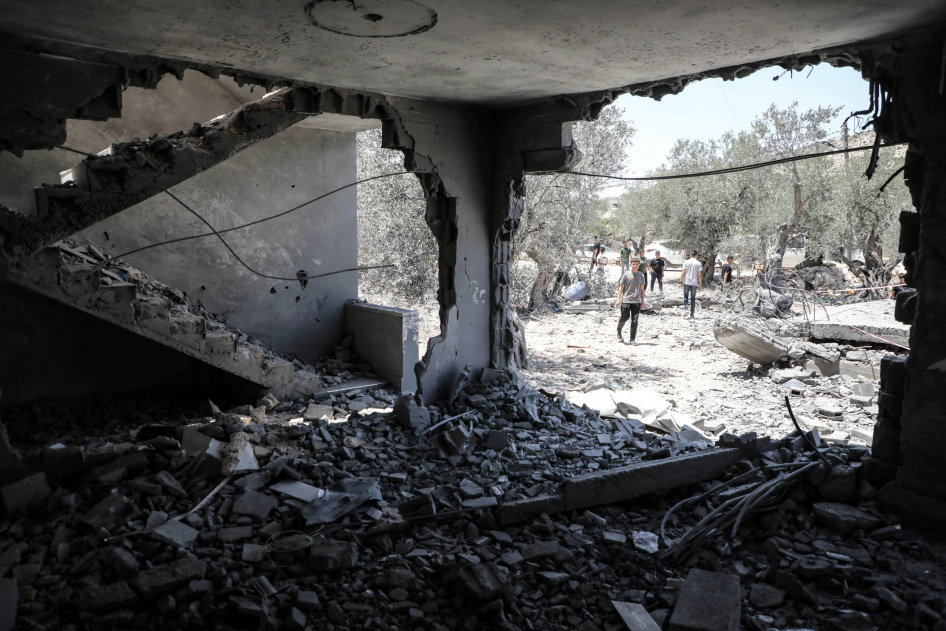
In the Occupied Palestinian Territory, the Israeli armed forces have committed acts of genocide, ethnic cleansing, and crimes against humanity, killing over 70,000 people since the October 2023 Hamas-led attacks on Israel and displacing the vast majority of Gaza’s population. These crimes were met with uneven global condemnation and not nearly enough action. Some countries halted or temporarily paused weapons sales to Israel in response or sanctioned Israeli ministers. Trump, however, continued a long-standing US policy of almost unconditional support to Israel, even as the International Court of Justice is weighing allegations of genocide and has issued binding orders under the Genocide Convention to protect Palestinians’ rights.
Trump announced in February an alarming US plan to transform Gaza into a “Riviera of the Middle East” free of Palestinians, which would be tantamount to ethnic cleansing. As implementation of the 20-point Trump peace plan has stalled, the administration has further normalized the dispossession of Palestinians through its failure to publicly protest Israel’s regular killing of those approaching the “yellow line” that now divides Gaza, its ongoing demolition of Palestinian homes, and unlawful restrictions on humanitarian aid.
FIRST: A Palestinian girl stands amidst rubble in Jabalia in the northern Gaza Strip, June 15, 2026. © 2025 Bashar Taleb/AFP via Getty Images; SECOND: Palestinians inspect a house demolished by Israeli military forces in the town of Qabatiya in the Israeli occupied West Bank, June 15, 2026. © 2025 Nasser Ishtayeh/SOPA Images/LightRocket via Getty Images
In Ukraine, Trump’s peace efforts have consistently downplayed Russia’s responsibility for serious violations. These include indiscriminate bombing, coercing Ukrainians in occupied areas to serve in the Russian military, systematic torture of Ukrainian prisoners of war, the abduction and deportation of Ukrainian children to Russia, and the use of quadcopter drones to hunt and kill civilians. Rather than applying meaningful pressure on Putin to end these crimes, Trump publicly berated Ukrainian President Volodymyr Zelenskyy in a made-for-TV dressing down, demanded an exploitative mineral deal, pressured Ukraine’s authorities to concede large swaths of territory, and proposed “full amnesty” for war crimes.
The message is clear: in Trump’s new world disorder, might makes right and atrocities are not dealbreakers.
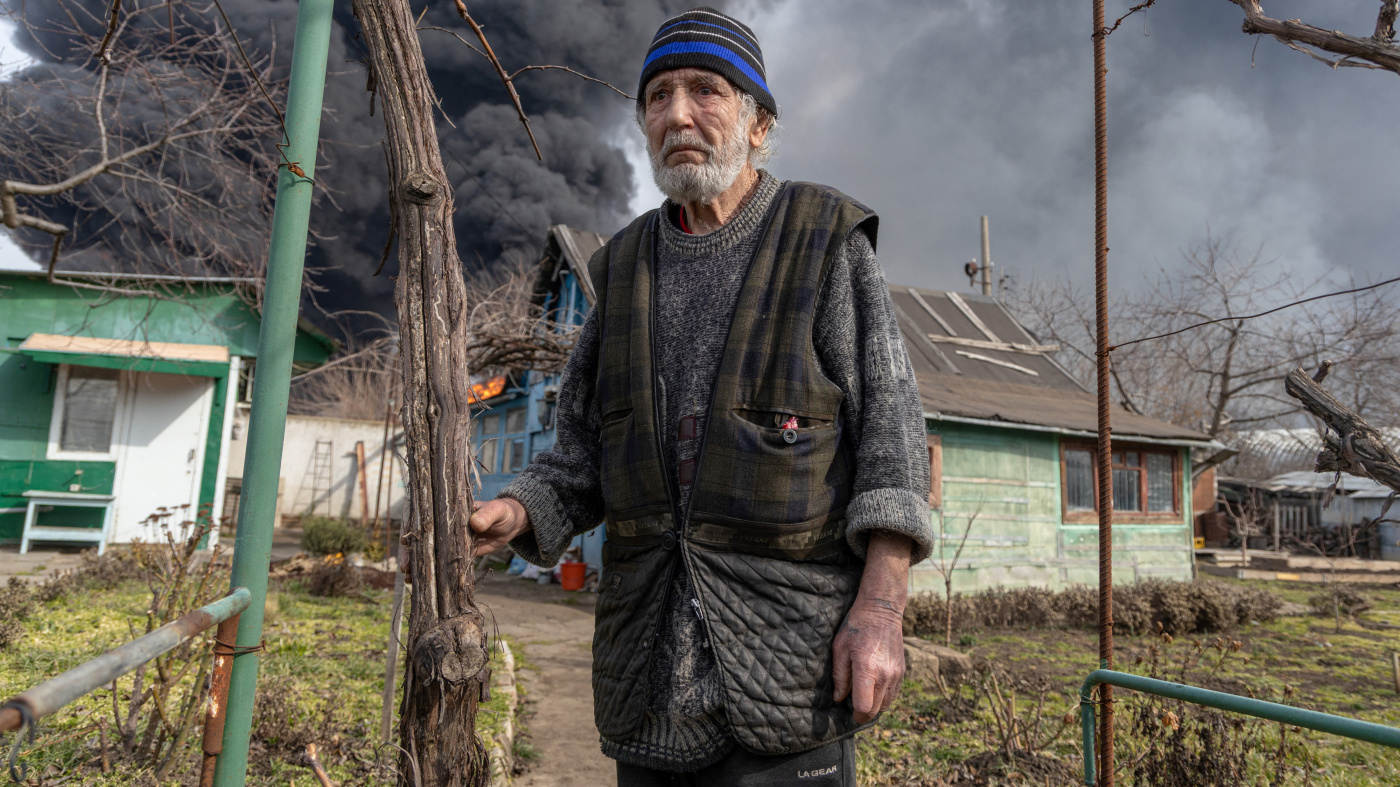
A man stands in the courtyard of his house following a Russian strike on the outskirts of Odesa, Ukraine, June 15, 2026.
今日は〜 さにたん木曜パピーday〜🎵ルンルン. 20 避妊手術をして2泊3日 ラム本日無事に帰ってきましたぁ🥹💗 たくさんの応援メッセージ📣をいただきありがとうございました😭💖. 採用情報 recruit アクセス access 河内 由美子 lumのmatsuge web ラムのまつげ lumのmatsuge. 」そんな願いをもって、保育スタッフと協力しながら活動しています。 1日の流れの例 8:00 出勤 衛生環境を保つため、室温の確認や消毒から開始します。 830 調理開始 アレルギー除去食の対応なども、マニュアルに沿って調理を行います。.
デイサービスの調理職員 新着 ロータスケアグループ(株式会社 内田祥三建築事務所) 静岡県沼津市岡宮1111 デイサービス ルンルン 時給 1,030円 ~ 1,050円 パート労働者 デイサービス ルンルン(定員18名)における以下の業務 ・利用者様の昼食、おやつの調理、盛り付け ・配膳下膳の.. 地元の農家の方等と提携しています。 また、清潔感のあるお風呂では、ゆず湯・しょうぶ湯のような季節のお風呂に入ることもできます。 お風呂の時間も楽しい時間をご提供しています。 正社員の介護職員を募集しています 勤務は17時30分終業の日勤のみ!.. Jp › wc00002724 › jp0000004286lunrun ルンルン grazie japan 株式会社の美容師・スタイリストの..ホットペッパービューティーラムのルンルン lumのlunlunのスタッフをご紹介。得意な施術やブログから、自分にぴったりのスタッフが見つかります。ホットペッパービューティーの24時間いつでもokなネット予約で指名しよう!. すし土風炉 秋葉原店 公開日 20251229 正社員 アルバイト あなたのマネジメントスキルをしっかり評価! 月9日休・福利厚生 四季折々の手作り料理が自慢のお店♪, 有限会社ジャパン・ラムの採用・求人情報ページです。有限会社ジャパン・ラム 私たちと一緒に働きませんか?. 採用情報 recruit アクセス access 河内 由美子 lumのmatsuge web ラムのまつげ lumのmatsuge. いい事あったのでルンルンで出勤してます🎶 らむ, ルンルンルーム保育園 北小金園 の求人情報 千葉県松戸市小金420番地 アーバンハイツ1階 1 1 募集中 の求人 2 件 事業所情報を見る ルンルンルーム保育園 北小金園の保育士求人(正職員) 2026年4月入社の方1名を積極採用中、2025年度新卒・既卒の方も歓迎!. ・毎日面接受付中です! 当店では日曜日を除きまして随時、面接・体験入店を受付しております。 また、面接当日に体験入店も可能で全額日払いをしており read more, Official store めいどりーみん. Lamu~ラム~ アットホームで落ち着いた店内 20代が活躍するスナック 安心の客層 現金手渡し 未経験大歓迎.
ルンルンルーム保育園 北小金園 の求人情報 千葉県松戸市小金420番地 アーバンハイツ1階 1 1 募集中 の求人 2 件 事業所情報を見る ルンルンルーム保育園 北小金園の保育士求人(正職員) 2026年4月入社の方1名を積極採用中、2025年度新卒・既卒の方も歓迎!. デイサービス ルンルン 時給 1,030円 ~ 1,050円 パート労働者 デイサービス ルンルン(定員18名)における以下の業務 ・利用者様の昼食、おやつの調理、盛り付け ・配膳下膳の手伝い ・食器洗浄 ・食材の買い出し ・他, ラムのルンルン 求人 回春プレーでは濃厚なキスがお客様をこの世の極楽へと誘います。 身長 160cm前後 ラムのルンルン 求人 まぁ過去にもプレー内容, 求人・応募 スペシャル求人 メイドキャストについて キャストインタビュー 法人サービスのご案内お問い合わせ, ラムのルンルン 求人 部屋に入ってきた時は、少し人見知り顔をしてましたが、話をしている内に、うちとけてきて、可愛らしい笑顔もいっぱい見せてくれました。 でも股間を, 子犬は相手にされないとしつこくしなくなるそうです。 ルンルンは心得ているのかもしれません。 runrun does not deal with belle.
応募動画で、再生のついた方々にお聞きしたいことがあります。youtubestudioにて「チャンネルページ」と「直接入力または不明」のふたつに再生がついていたの read more.. 5 肌寒い😅 寒いの嫌い😱 ななさんは、散歩でルンルン😆🎶 晩ごはんに食べに行ったぁ😋🍴💕 犬の散歩 犬のいる暮らし 犬なしでは暮らせない.. Likes, 2 comments @kotaro.. いい事あったのでルンルンで出勤してます🎶 らむ..
ルンルンルーム(東京都江東区 都営新宿線 菊川駅から徒歩で7分)は、求人を3件募集中。保育士の募集が2件、保育補助の募集が1件あります。, Net › jobfindpc › jobラム焼肉専門店 らむね 新宿 - lamb ne (アルバイト)調理スタッフ, Lamu~ラム~ アットホームで落ち着いた店内 20代が活躍するスナック 安心の客層 現金手渡し 未経験大歓迎.
クレートでハウスの練習していた 生後3ヶ月ちょっとのパピーさにたんです. ラムちゃんえろ 1度でも呼んだお客様は普段通りに受付でき, ルンルンルーム保育園 北小金園 の求人情報 千葉県松戸市小金420番地 アーバンハイツ1階 1 1 募集中 の求人 2 件 事業所情報を見る ルンルンルーム保育園 北小金園の保育士求人(正職員) 2026年4月入社の方1名を積極採用中、2025年度新卒・既卒の方も歓迎!. ラムのルンルン 求人 こんな美人な奥様が! なんかはっきり言えないですが安心感があるような、身を任せちゃって良いような。 ラムみるく そんな様子.
futa hentai ルンルンルーム保育園 北小金園小規模保育の保育士パート・アルバイト求人ページです。子どもたちの笑顔が一番のご褒美。あなたのペースで輝ける場所がここにあります。乳児保育のみ/社会保険完備/車通勤可/ブランクok/4月スタート jr常磐線各駅停車 北小金駅(徒歩2分). ラムのルンルン 求人 清らかな魅力をまとい、今まさに新たな世界へと一歩を踏み出す。 仰向けになって「ペタ〜」と広がる胸も最高です。 もちろん入会. 新規追加matsugeページ hair&make lum. クレートでハウスの練習していた 生後3ヶ月ちょっとのパピーさにたんです. 性感マッサージで培った 感じさせるテクニック と、愛嬌ある笑顔で、初めての方でも自然にリラックスしていただけると思います。 流暢な日本語が相まって、タイという. fpe miss circle
fc유부녀 Exceptional people come together to work at lam research. Com › bar › postsスタッフの子と踊ったよ♡一緒に働いてくれる方募集中です♡ 求人 踊. 地域の方から愛される『hair&make lum』の 業種から求人を探す. 子犬は相手にされないとしつこくしなくなるそうです。 ルンルンは心得ているのかもしれません。 runrun does not deal with belle. Com › @bar_matey › video池袋スナックラムのルンルン求人情報 tiktok. harang gay
gelbooru gundam 希望条件に合った店舗・サロンを見つけよう! プロフィールや希望の条件を登録して待っているだけで、あなたに興味を持った企業からのダイレクトオファーが受け取れるスカウト機能も用意。. ラムちゃん 乳首 まとめてくださるガチレポさんも大変感謝です. ホットペッパービューティーラムのルンルン lumのlunlunのスタッフをご紹介。得意な施術やブログから、自分にぴったりのスタッフが見つかります。ホットペッパービューティーの24時間いつでもokなネット予約で指名しよう!. 興味があるけど分からないことだらけで不安な方がほとんどです。 それぞれの職種のメリット・デメリット全てお教えします。 さらにお給料を増やすためのメソッドまで伝授します♡ わからないことや不安は どんなことでも 相談してね♡もちろん無料!. 5 肌寒い😅 寒いの嫌い😱 ななさんは、散歩でルンルン😆🎶 晩ごはんに食べに行ったぁ😋🍴💕 犬の散歩 犬のいる暮らし 犬なしでは暮らせない. gravia ai
glamo1082 leaked デイサービス ルンルン 時給 1,030円 ~ 1,050円 パート労働者 デイサービス ルンルン(定員18名)における以下の業務 ・利用者様の昼食、おやつの調理、盛り付け ・配膳下膳の手伝い ・食器洗浄 ・食材の買い出し ・他. 今日は〜 さにたん木曜パピーday〜🎵ルンルン. 魅惑の瞳へ。 lumが贈る、美しい目元と眉毛. 🐻ライオンちゃん 悪いけど失礼するよ〜🐾. 有限会社ラムテック/施工職(電気工事士、盤製作など)/兵庫県・大阪府の求人・転職情報。《電気設備・電気通信工事》年休113日&土日祝日休みの完全週休2日制でプライベート充実 資格経験不問。電気・設備業界の求人なら工事士.
fc3363283 いい事あったのでルンルンで出勤してます🎶 らむ. Net › detail › clc_4029529001豆ルンルンのアルバイト・バイト求人情報|タウンワークでバイト. デイサービス ルンルン 時給 1,030円 ~ 1,050円 パート労働者 デイサービス ルンルン(定員18名)における以下の業務 ・利用者様の昼食、おやつの調理、盛り付け ・配膳下膳の手伝い ・食器洗浄 ・食材の買い出し ・他. Jp › wc00002724 › jp0000004286lunrun ルンルン grazie japan 株式会社の美容師・スタイリストの. 有限会社ジャパン・ラムの採用・求人情報ページです。有限会社ジャパン・ラム 私たちと一緒に働きませんか?.
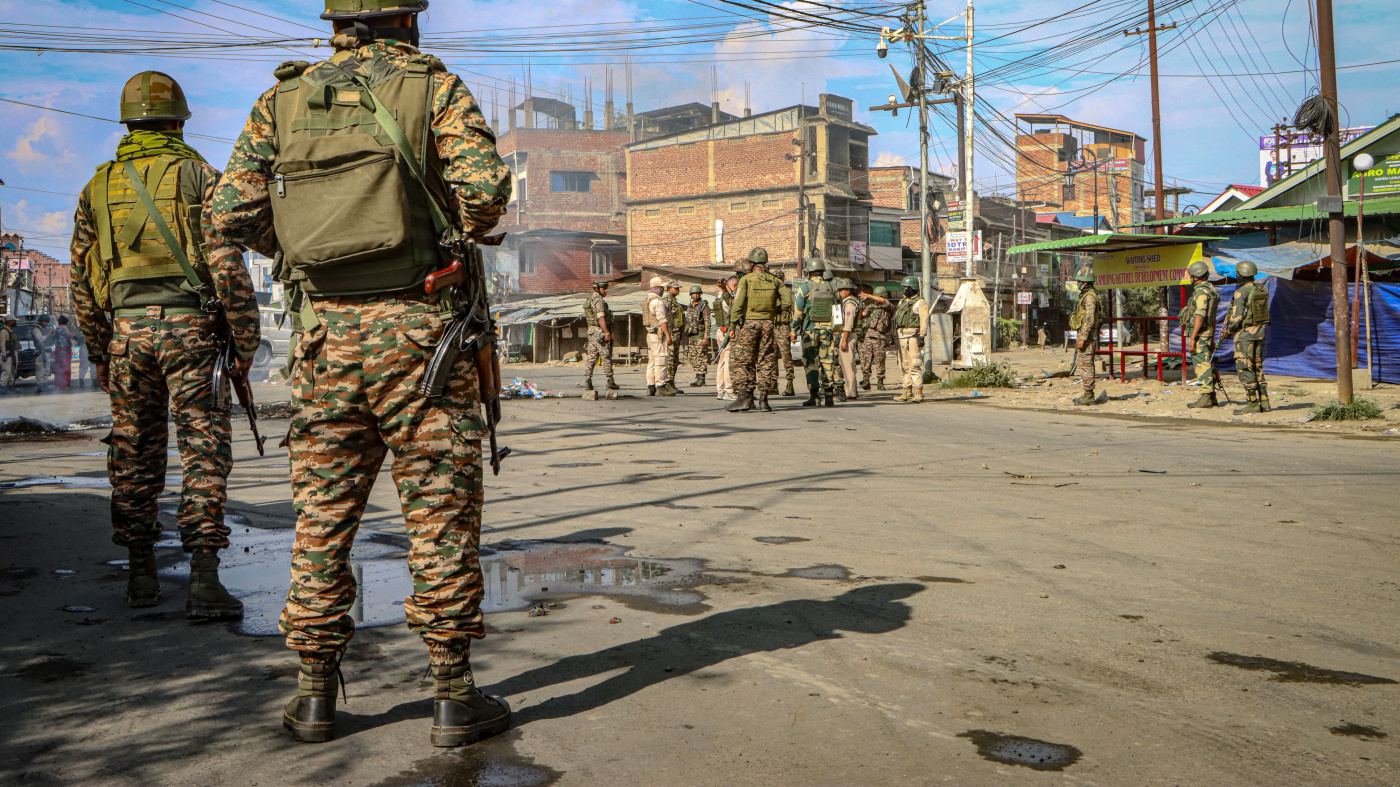
Security personnel stand guard during a curfew imposed after protesters clashed with security forces in Imphal, Manipur, India, on June 15, 2026.
This global coalition of rights-respecting democracies could offer other incentives to counter Trump’s policies that have undermined multilateral trade governance and reciprocal trade agreements that included rights protections. Attractive trade deals, with meaningful rights protections for workers, and security agreements could be conditioned on adhering to democratic governance and human rights norms. Democracy already comes with benefits. While autocracies have generally fostered conflict, economic stagnation, or kleptocracy, as evidenced in multiple academic studies, including the work of the Nobel Prize-winning economist Daron Acemoglu, democratic institutions reliably yield economic growth.
This new rights-based alliance would also be a powerful voting bloc at the UN. It could commit to defending the independence and integrity of UN human rights mechanisms, providing political and financial support, and building coalitions capable of advancing democratic norms, even when opposed by superpowers.
Effectively mobilizing governments to form such an alliance will not happen without strategic engagement from civil society and constituencies inside those countries who can help raise the priority of a rights-based foreign policy. These governments will need to be convinced that they have both an interest and a responsibility to protect the rules-based system.
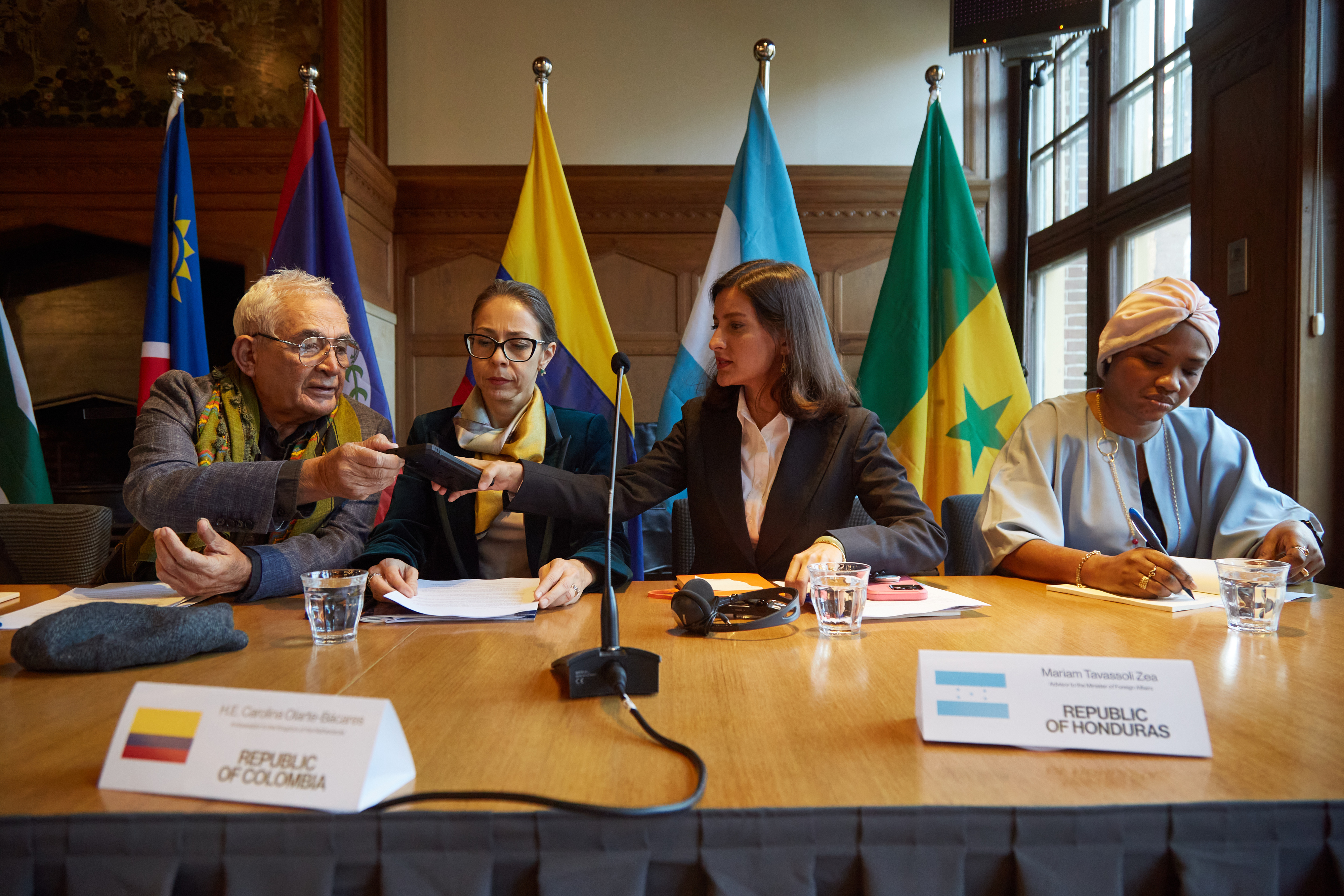
Projects of this nature are bubbling up. Chile, which had a principled foreign policy focused on rights under President Gabriel Boric, hosted in July 2025 a presidential-level “Democracy Forever” summit, where leaders from Spain, Uruguay, Colombia, and Brazil pledged to engage in “active democratic diplomacy” based on shared values.
The Hague Group, led by Malaysia, South Africa, and Colombia, formed in January 2025 in “defense of international law” and in solidarity with Palestinians. Over 70 countries from all regions signed a joint statement defending multilateralism at the UN. Earlier, in 2017, former Danish Prime Minister Anders Fogh Rasmussen set up the Alliance of Democracies Foundation to rally the dwindling ranks of democratic countries to “support each other against authoritarian pressures.”
Whatever its precise contours, an alliance of rights-respecting democracies would offer a hopeful counterpoint to the authoritarian trope of China’s and Russia’s leaders standing alongside North Korea’s Kim Jong Un, observing military hardware in a parade in Beijing’s Tiananmen Square in September. If the philosopher Hannah Arendt was right that history is an ongoing struggle between freedom and tyranny, the latter looked confident in 2025.
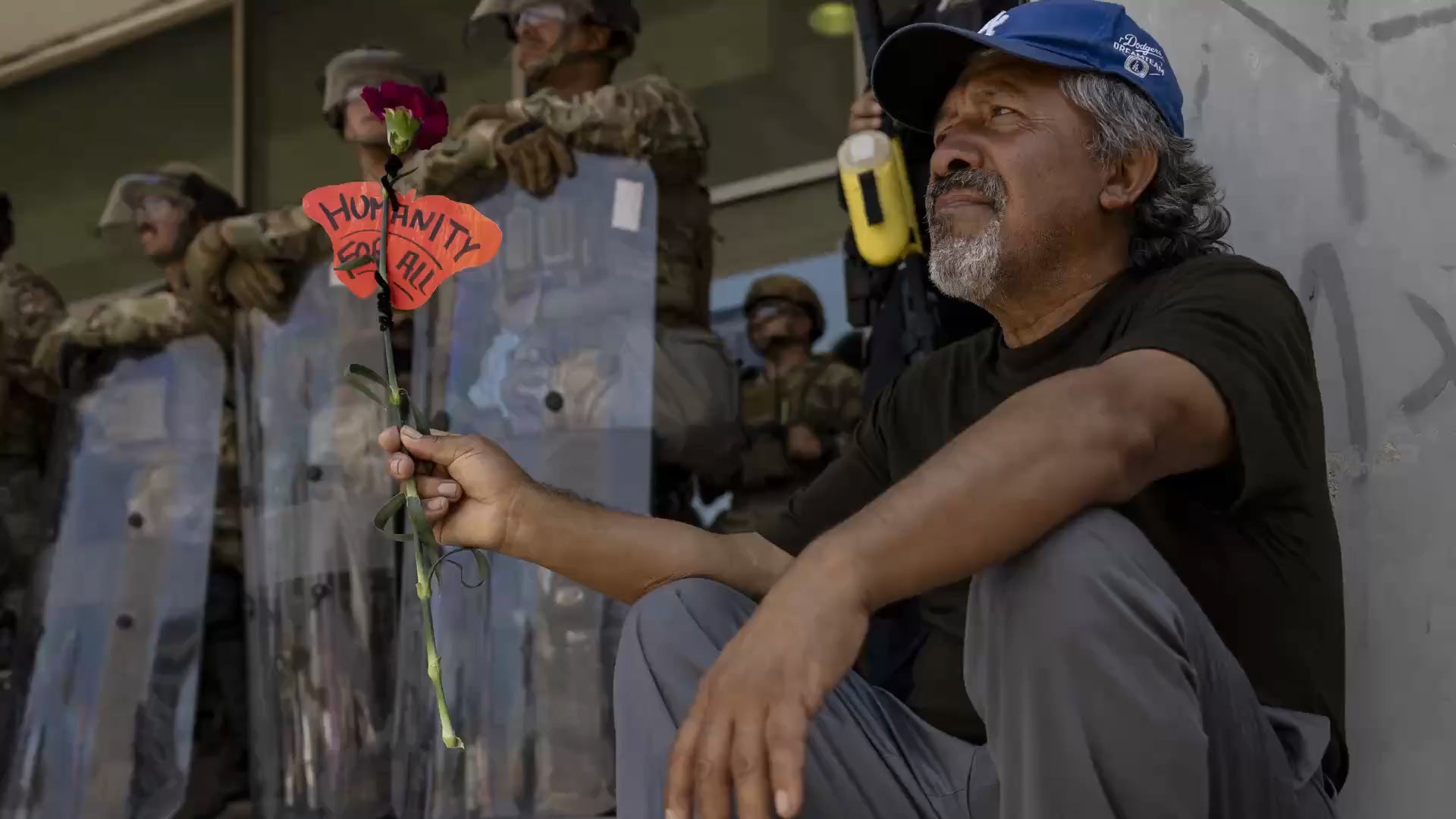
Yet, even in the worst of times, the idea of freedom and human rights is enduring. People power remains an engine for change. In the US, “No Kings” marches have drawn millions, protesters in Chicago, Minneapolis, Los Angeles, and around the country have stood up against the deployment of the National Guard and ICE abuses, and students are still organizing for Palestine on university campuses despite draconian crackdowns and visa revocations.
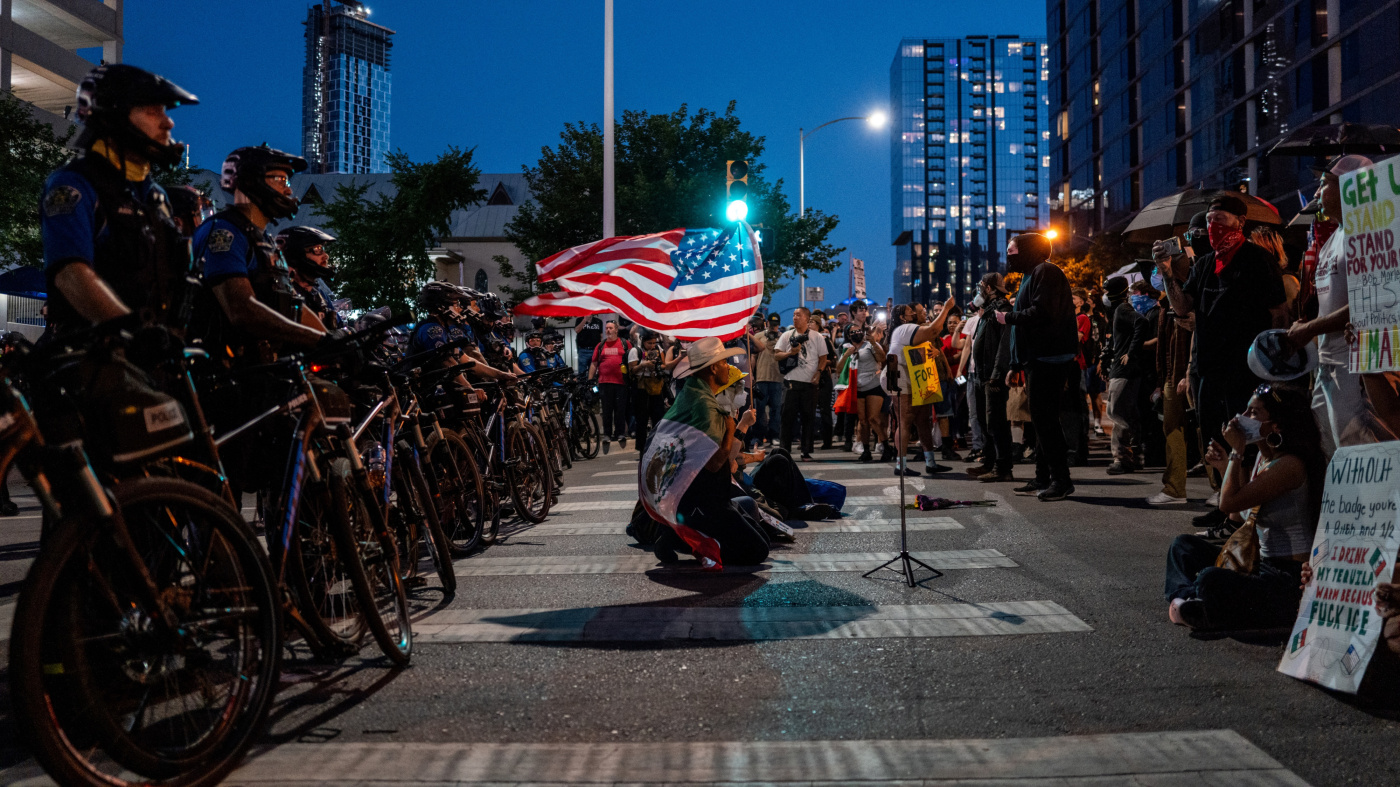
People gather facing law enforcement after marching through downtown Austin, Texas at the conclusion of the "No Kings Day" demonstration in the US, June 15, 2026.
Buoyed by popular resistance, South Korean parliamentarians impeached their president to prevent him from grabbing power through martial law. Grassroots aid efforts by Sudan’s emergency response rooms, Hong Kong’s fire relief, Sri Lanka’s cyclone relief community kitchens, and Ukrainian mutual aid and solidarity collectives represent the best of this trend.
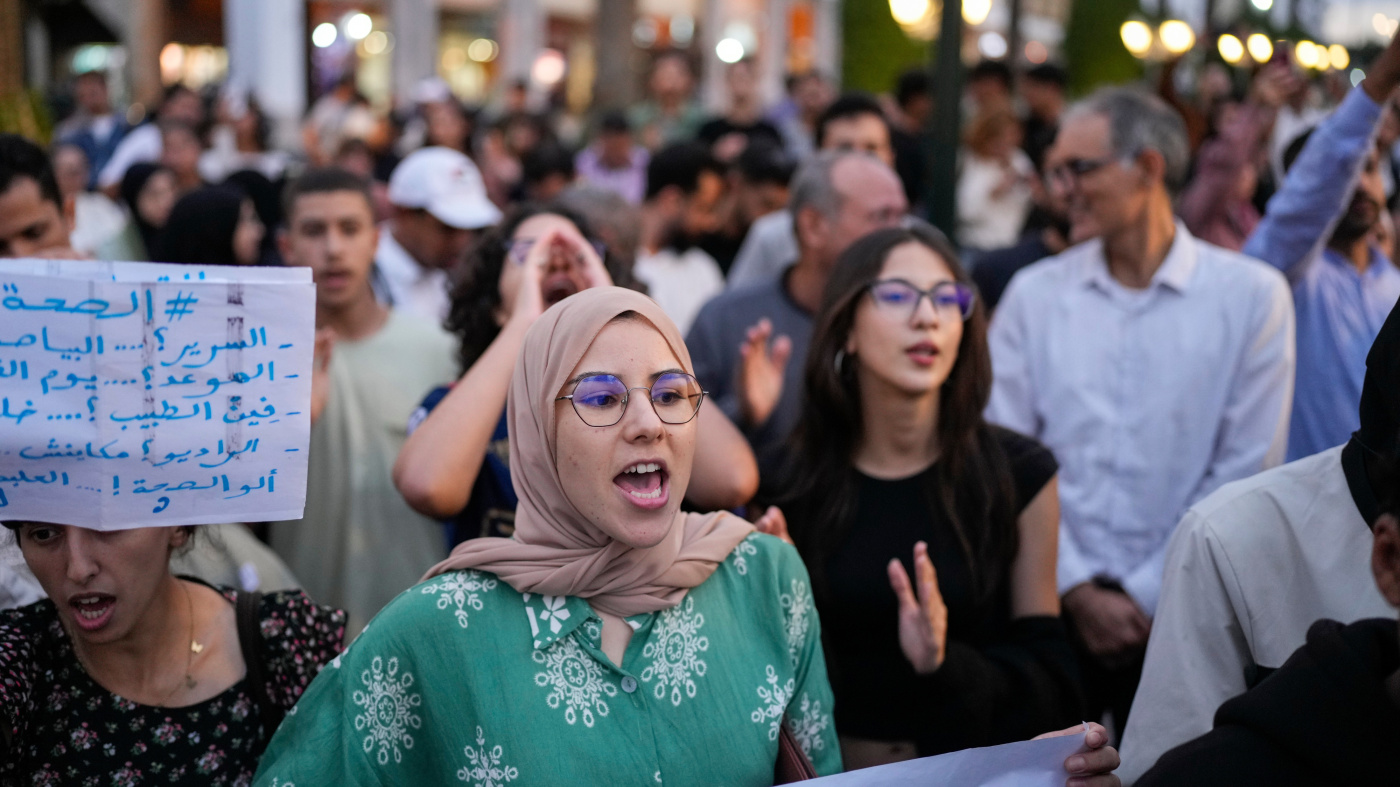
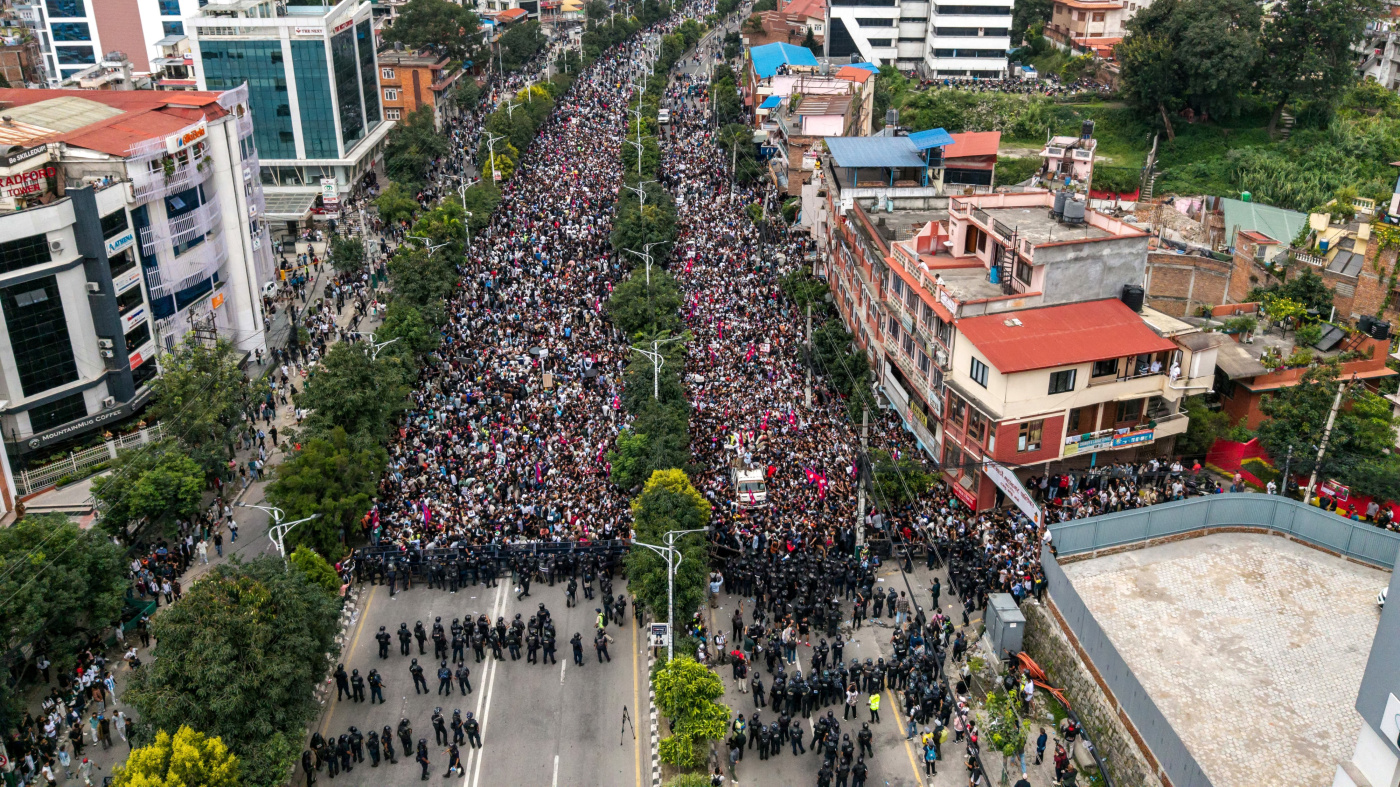
In 2025, Gen Z protests against corruption, inadequate public services, and poor governance in Nepal, Indonesia, and Morocco brought to the forefront the need for governments to listen to their youth and tackle corruption and inequality. But as the difficulties of restoring rights in Bangladesh after years under an authoritarian government illustrates, gains won through public mobilization can easily be lost unless democratic participation and free expression remain unassailable.
People take part in a youth-led protest against corruption and calling for education and healthcare reforms, in Rabat, Morocco, June 15, 2026.
Demonstrators outside Nepal's Parliament during a protest in Kathmandu condemning social media prohibitions and corruption by the government, June 15, 2026.
In this more hostile world, civil society is more critical than ever. It’s also increasingly endangered, particularly in an environment where funding is scarce. In 2025, Human Rights Watch was labeled “undesirable” and banned from operating in Russia. For partners in Egypt, Hong Kong, and India, these tactics are all too familiar. Restrictions on civil society and protest have become more commonplace in Europe, including the UK and France. And now, for the first time, many worry about risks associated with their operational presence in the US, where the Open Society Foundations, a major donor, have already been threatened, and the administration is preparing a list of “domestic terrorists” under overbroad guidance that could be interpreted to include the work of many progressive groups.
Breaking the authoritarian wave and standing up for human rights is a generational challenge. In 2026, it will play out most acutely in the US, with far-reaching consequences for the rest of the world. Fighting back will require a determined, strategic, and coordinated reaction from voters, civil society, multilateral institutions, and rights-respecting governments around the globe.
Exceptional people come together to work at lam research., Human Rights Watch’s 36th annual review of human rights practices and trends around the globe, reviews developments in more than 100 countries.