雑談掲示板 deep one 虚無と夢幻のフラグメント攻略wiki.

Will Human Rights Survive a Trumpian World?

Authoritarian Advances Threaten Rules-Based Order

The global human rights system is in peril. Under relentless pressure from US President Donald Trump, and persistently undermined by China and Russia, the rules-based international order is being crushed, threatening to take with it the architecture human rights defenders have come to rely on to advance norms and protect freedoms. To defy this trend, governments that still value human rights, alongside social movements, civil society, and international institutions, need to form a strategic alliance to push back.

To be fair, the downward spiral predated Trump’s reelection. The democratic wave that began over 50 years ago has given way to what scholars term a “democratic recession.” Democracy is now back to 1985 levels according to some metrics, with 72 percent of the world’s population now living under autocracy. Russia and China are less free today than 20 years ago. And so is the United States.

Of course, democracy is not a panacea for human rights violations; the US and other longtime democracies have their own histories of colonial crimes, racism, abusive justice systems, and wartime atrocities. More recently, authoritarian leaders have exploited public mistrust and anger to win elections and then dismantled the very institutions that brought them to power. Democratic institutions are crucial to represent the will of the people and keep power in check. It’s no surprise that whenever democracy is undermined, rights are too, as evident in recent years in India, Türkiye, the Philippines, El Salvador, and Hungary.

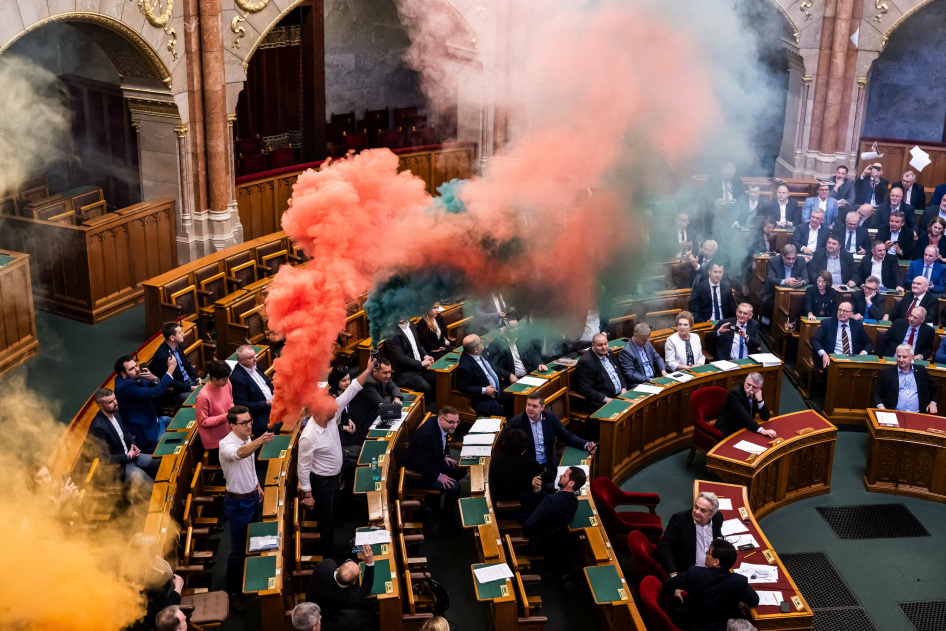
The Momentum Movement’s parliamentary representative David Bedo and independent member of parliament Akos Hadhazy protest against a law that bans Pride marches in Hungary and imposes fines on organizers and attendees of such events, Budapest, July 29, 2026.
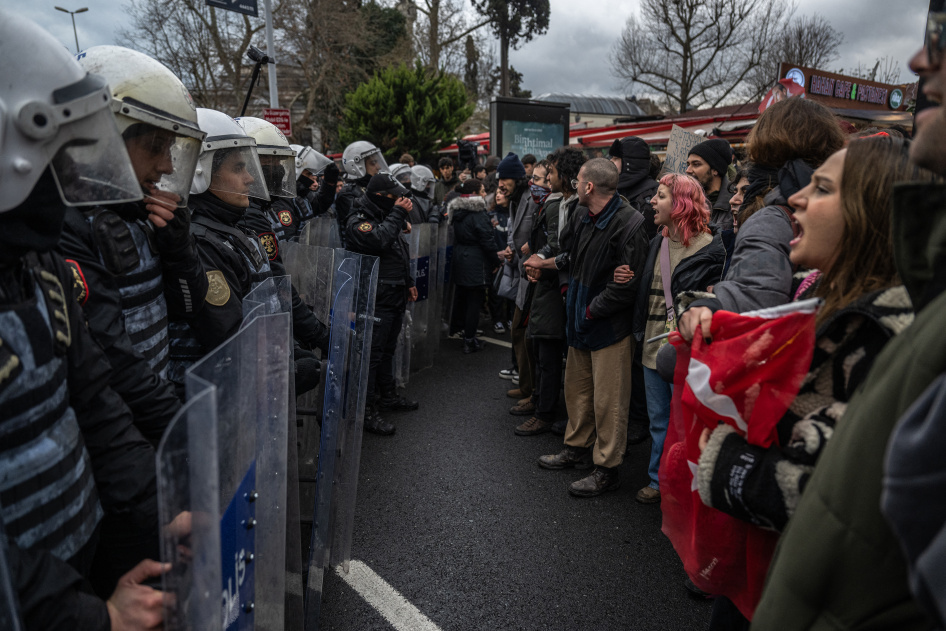
University students confront riot police in Istanbul’s Beşiktaş district following the arrest of Istanbul Mayor Ekrem İmamoğlu, July 29, 2026.

FIRST: The Momentum Movement’s parliamentary representative David Bedo and independent member of parliament Akos Hadhazy protest against a law that bans Pride marches in Hungary and imposes fines on organizers and attendees of such events, Budapest, July 29, 2026. © 2025 Marton Monus/Reuters; SECOND: University students confront riot police in Istanbul’s Beşiktaş district following the arrest of Istanbul Mayor Ekrem İmamoğlu, July 29, 2026. © 2025 Ozan Köse/AFP via Getty Images

In this context, 2025 may be seen as a tipping point. In just 12 months, the Trump administration has carried out a broad assault on key pillars of US democracy and the global rules-based order, which the US, despite inconsistencies, was, with other states, instrumental in helping to establish.

In short order, Trump’s second-term administration has undermined trust in the sanctity of elections, reduced government accountability, gutted food assistance and healthcare subsidies, attacked judicial independence, defied court orders, rolled back women’s rights, obstructed access to abortion care, undermined remedies for racial harm, terminated programs mandating accessibility for people with disabilities, punished free speech, stripped protections from trans and intersex people, eroded privacy, and used government power to intimidate political opponents, the media, law firms, universities, civil society, and even comedians.

A volunteer at a food distribution event outside of Brooklyn Borough Hall in New York City, July 29, 2026.
A volunteer at a food distribution event outside of Brooklyn Borough Hall in New York City, July 29, 2026. © 2025 Angela Weiss/AFP via Getty Images

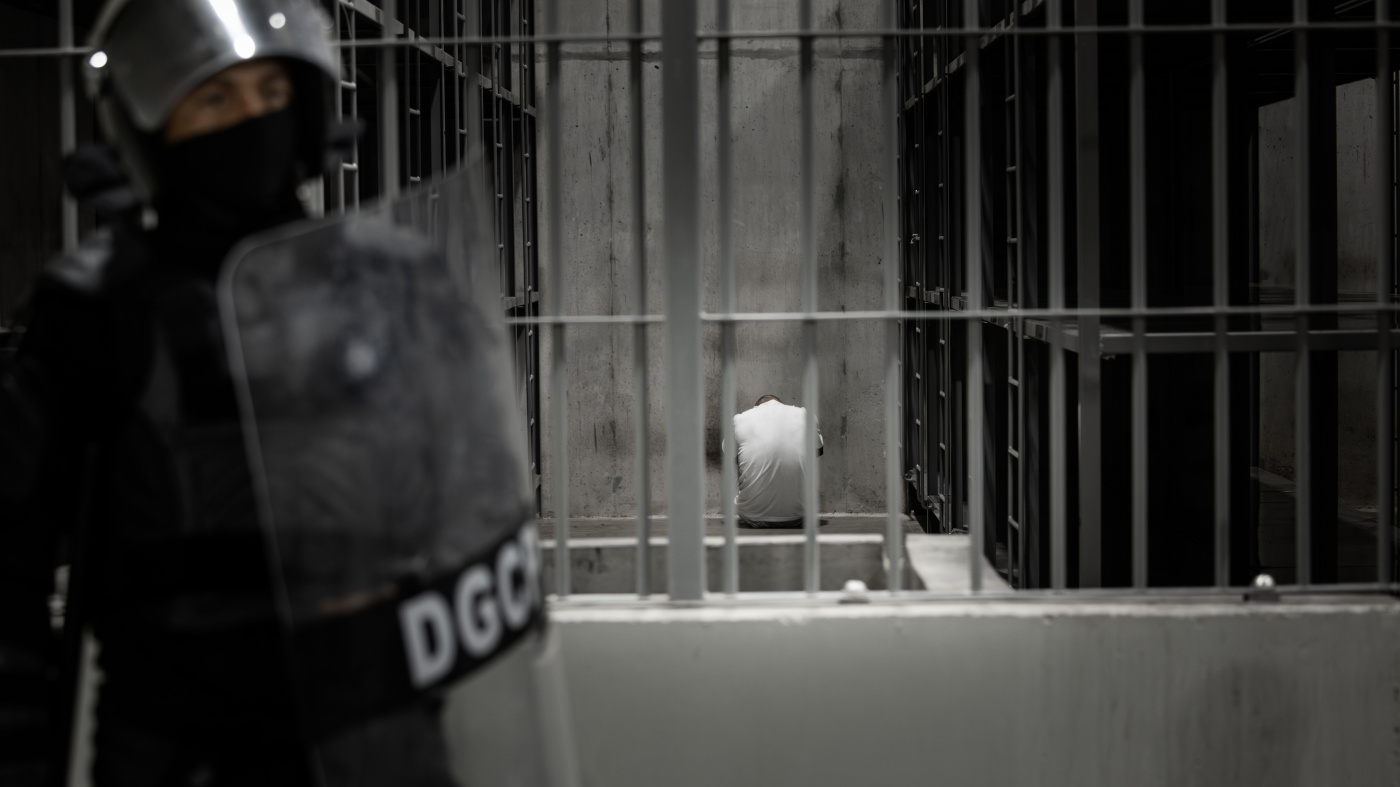
Claiming a risk of “civilizational erasure” in Europe and leaning on racist tropes to cast entire populations as unwelcome in the US, the Trump administration has embraced policies and rhetoric that align with white nationalist ideology. Immigrants and asylum seekers have been subjected to inhumane conditions and degrading treatment; 32 died in US Immigration and Customs Enforcement custody in 2025, and as of mid-January 2026, an additional 4 have died. Masked immigration enforcement agents have targeted people of color, using excessive force, terrorizing communities, wrongfully arresting scores of citizens, and, most recently, unjustifiably killing two people in Minneapolis, whose deaths Human Rights Watch has documented.

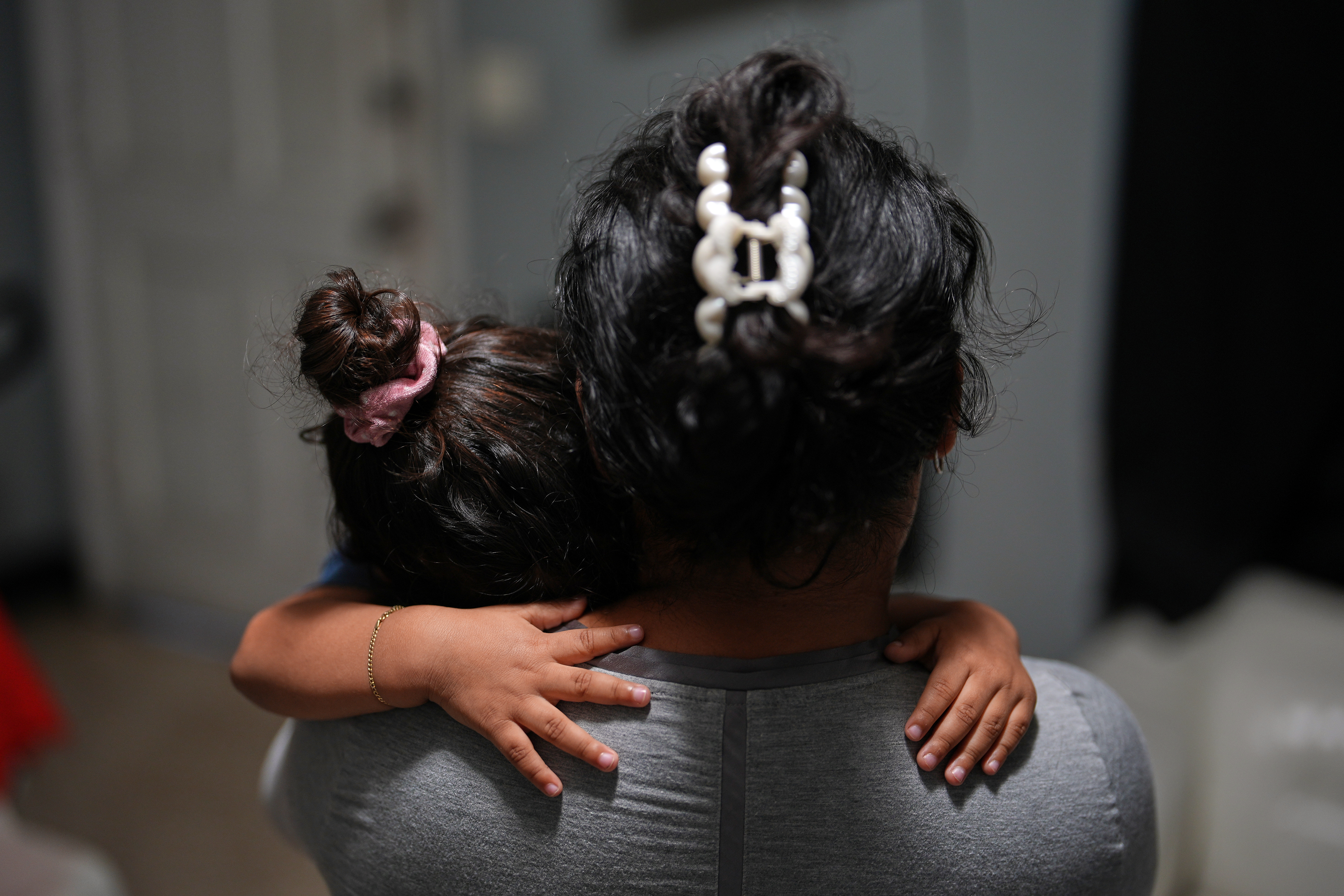
A pregnant asylum seeker comforts her 2-year-old inside the motel room where she and her children are living after her husband was deported to Nicaragua, in Miami, Florida, July 29, 2026.
A pregnant asylum seeker comforts her 2-year-old inside the motel room where she and her children are living after her husband was deported to Nicaragua, in Miami, Florida, July 29, 2026. © 2025 Rebecca Blackwell/AP Photo

The US president of course has the authority to tighten US borders and enforce stricter immigration policies. The administration is not, however, entitled to deny legal process to asylum seekers, mistreat undocumented migrants, or unlawfully discriminate. In a well-functioning democracy, no electoral mandate should supersede domestic legislation, constitutional protections, or international human rights law. Trump’s team has repeatedly bypassed these guardrails.

The violations have not stopped at the border. The Trump administration used a 1798 law to send hundreds of Venezuelan migrants to an infamous prison in El Salvador, where they were tortured and sexually abused. Its blatantly unlawful strikes on boats in the Caribbean and the Pacific extrajudicially killed more than 120 people whom Trump claims were drug traffickers.

After the US attacked Venezuela and apprehended its president, Nicolás Maduro, and his wife, Cilia Flores, Trump claimed the US would “run” the country and control its vast oil reserves. Despite paying lip service to human rights concerns under Maduro at the United Nations, Trump has worked with the same repressive apparatus to further US interests. Many Western allies have chosen to stay silent about these lawless moves, perhaps fearing erratic tariffs and blowback to their alliances.

Trump’s foreign policy has upended the foundations of the rules-based order that seeks to advance democracy and human rights, even if imperfectly.

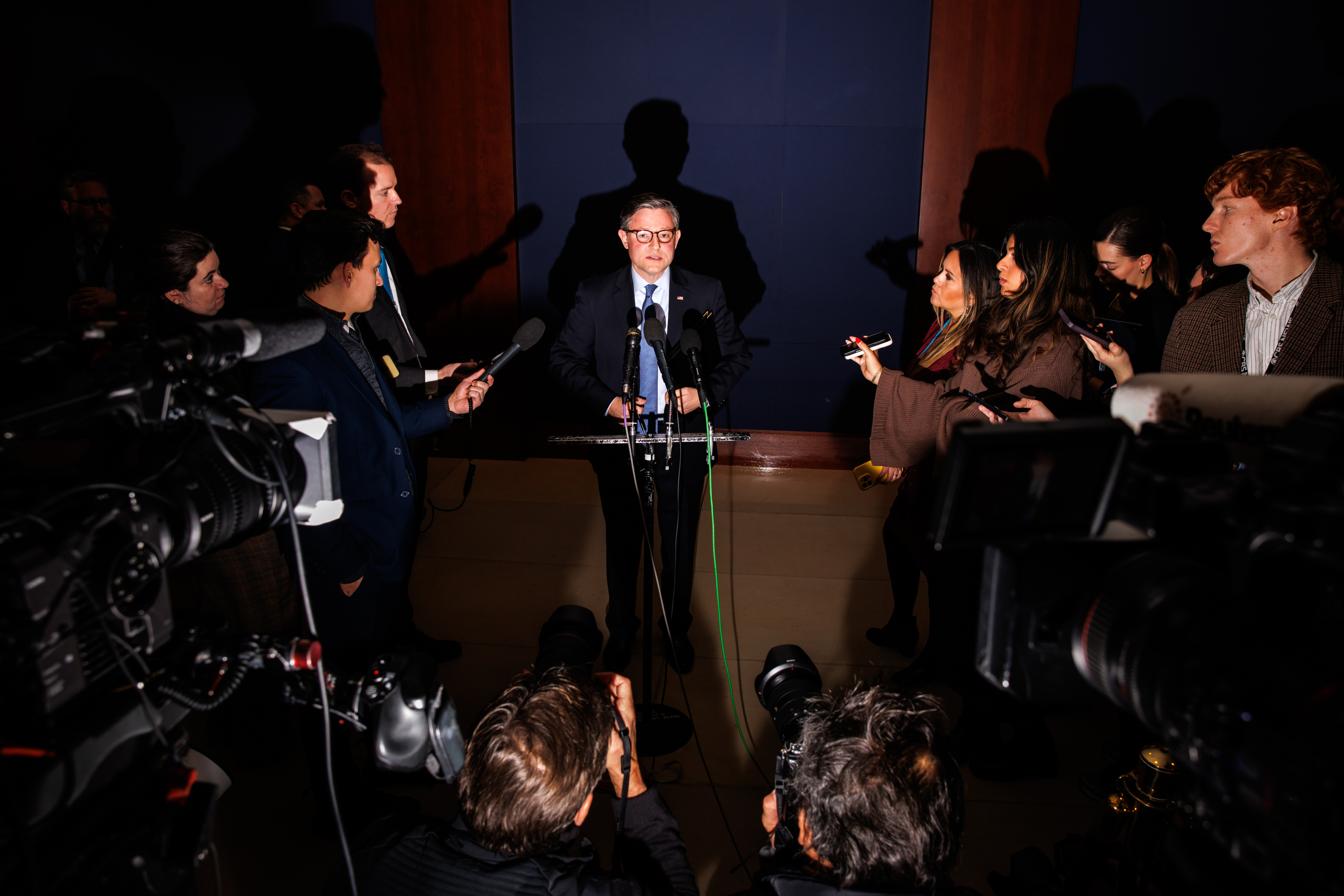
US Speaker of the House Mike Johnson talks to reporters after a closed door briefing with Secretary of State Marco Rubio and Secretary of Defense Pete Hegseth on US military strikes on suspected Venezuelan drug boats, Washington, DC, July 29, 2026.
US Speaker of the House Mike Johnson talks to reporters after a closed door briefing with Secretary of State Marco Rubio and Secretary of Defense Pete Hegseth on US military strikes on suspected Venezuelan drug boats, Washington, DC, July 29, 2026. © 2025 Samuel Corum/Sipa USA via AP Photo

Trump has boasted that he doesn’t “need international law” as a constraint, only his “own morality.” His administration has politicized the US State Department’s annual human rights report, stepped away from the global prohibition on antipersonnel landmines, voiced support for rewriting international rules on asylum, and skipped the UN’s Universal Periodic Review of the US’ human rights record.

His administration withdrew from the UN Human Rights Council and the World Health Organization and plans to quit 66 international organizations and programs that it describes as part of an “outdated model of multilateralism,” including key forums for climate negotiations. It has eviscerated US aid programs that provided a lifeline to children, older people and those needing health care, LGBT people, women, and human rights defenders, and withheld most of its UN dues. 

Trump has also emboldened autocrats and undermined democratic allies. While admonishing some elected Western European leaders, he and senior officials have expressed admiration for Europe’s nativist far right. He has favored autocrats such as Hungary’s Prime Minister Viktor Orban, Türkiye’s President Recep Tayyip Erdoğan, and El Salvador’s President Nayib Bukele, while continuing decades of US support to Saudi Crown Prince Mohammed bin Salman and Egypt’s President Abdel Fattah al-Sisi.

His administration has unjustifiably imposed sanctions to punish respected Palestinian human rights organizations, the International Criminal Court’s (ICC) prosecutor and many of its judges, a UN special rapporteur, and for several months, a Brazilian Supreme Court judge and his wife.

The institutional response in the US to Trump’s power grabs has been shockingly muted. Much of Congress, controlled by his own party, has not challenged his supercharged expansion of executive power. The leaders of the US’ most powerful technology companies have made significant donations and sought to placate the president. Some big law firms and prestigious universities have made deals rather than assert their independence, and some media organizations seem afraid to attract the president’s ire.

Has the US switched sides on the human rights playing field? While US engagement with human rights institutions has always been selective, China and Russia have long pursued an illiberal agenda. They stand much to gain from a US government that now expresses open hostility to universal rights. China and Russia remain strategic rivals of the US, but all three countries are now led by leaders who share open disdain for norms and institutions that could constrain their power.
Together, they wield considerable economic, military, and diplomatic power. If they were to consistently act as allies of convenience to erode global rules, they could threaten the entire system. Already, a loose international network of countries such as North Korea, Iran, Venezuela, Myanmar, Cuba, and Belarus work in concert with Russia and China. These leaders share very little ideologically but align in undermining human rights and promoting a regressive international agenda. In word and in practice, the US government is now helping them in this endeavor.

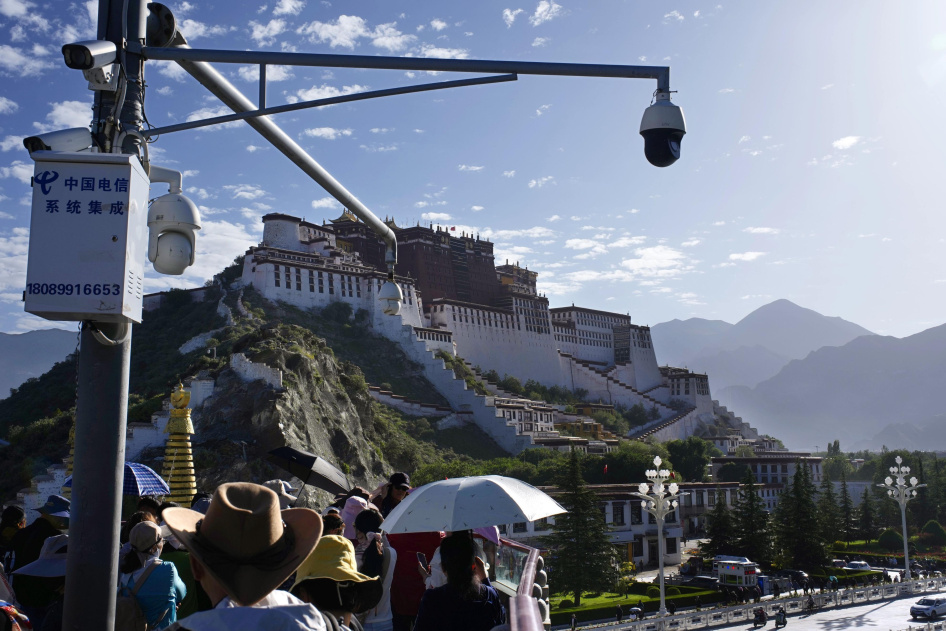
Surveillance cameras installed in Lhasa, Tibet Autonomous Region, July 29, 2026. 
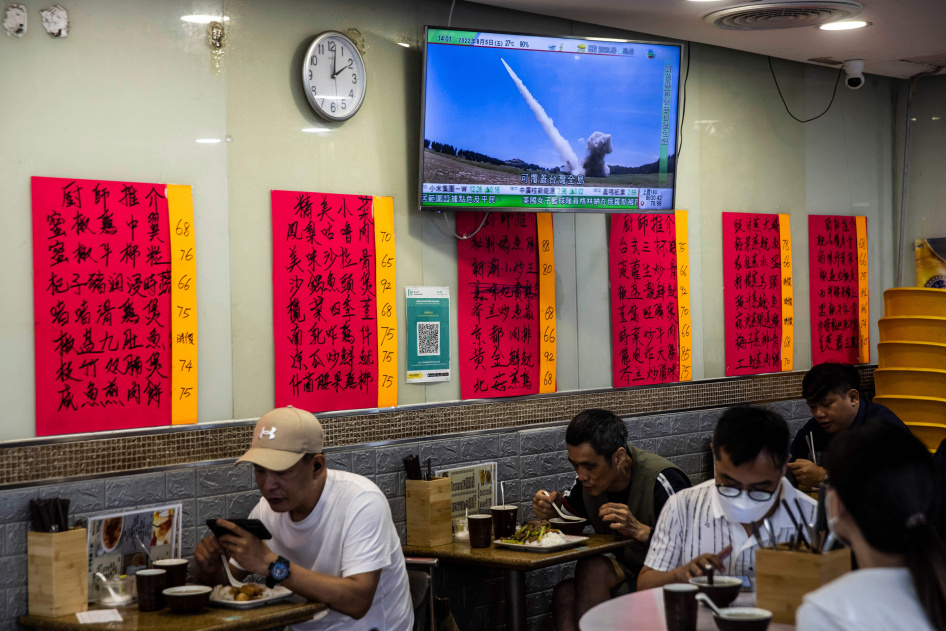
A television in a restaurant in Hong Kong shows a missile being launched during military exercises being held by China around the island of Taiwan, July 29, 2026.

FIRST: Surveillance cameras installed in Lhasa, Tibet Autonomous Region, July 29, 2026. © 2025 Kyodo News via Getty Images; SECOND: A television in a restaurant in Hong Kong shows a missile being launched during military exercises being held by China around the island of Taiwan, July 29, 2026. © 2022 Isaac Lawrence/AFP via Getty Images

The US’ weakening of multilateral institutions also dealt a serious blow to global efforts to prevent or stop grave international crimes. The “never again” movement, born from the horrors of the Holocaust and reignited by the Rwandan and Bosnian genocides, spurred the UN General Assembly to embrace the Responsibility to Protect (R2P) in 2005. Meant to guide international intervention to prevent and stop atrocities in tandem with efforts to prosecute and punish serious crimes, R2P made a real difference in places like the Central African Republic and Kenya.

Today, R2P is rarely invoked and the ICC is under siege. In addition to Trump’s far-reaching sanctions, in December 2025 a Moscow court sentenced the ICC prosecutor and eight of its judges to prison terms in absentia. Moreover, despite being ICC fugitives, in 2025, Russia’s President Vladimir Putin was welcomed by Donald Trump in Alaska, and Israel’s Prime Minister Benjamin Netanyahu traveled to Hungary, an ICC member state at the time, at Orban’s invitation.

Twenty years ago, the US government and civil society were instrumental in galvanizing a response to mass atrocities in Darfur. Sudan is burning again, but this time under Trump, with relative impunity. Sudan’s Rapid Support Forces (RSF), which emerged from the militias that led the prior ethnic cleansing campaign, are again committing murder and rape on a mass scale. A growing body of evidence indicates that the UAE, a longtime US ally that recently made multi-billion-dollar deals with Trump, is providing the RSF with military support.

In the Occupied Palestinian Territory, the Israeli armed forces have committed acts of genocide, ethnic cleansing, and crimes against humanity, killing over 70,000 people since the October 2023 Hamas-led attacks on Israel and displacing the vast majority of Gaza’s population. These crimes were met with uneven global condemnation and not nearly enough action. Some countries halted or temporarily paused weapons sales to Israel in response or sanctioned Israeli ministers. Trump, however, continued a long-standing US policy of almost unconditional support to Israel, even as the International Court of Justice is weighing allegations of genocide and has issued binding orders under the Genocide Convention to protect Palestinians’ rights.

Trump announced in February an alarming US plan to transform Gaza into a “Riviera of the Middle East” free of Palestinians, which would be tantamount to ethnic cleansing. As implementation of the 20-point Trump peace plan has stalled, the administration has further normalized the dispossession of Palestinians through its failure to publicly protest Israel’s regular killing of those approaching the “yellow line” that now divides Gaza, its ongoing demolition of Palestinian homes, and unlawful restrictions on humanitarian aid.

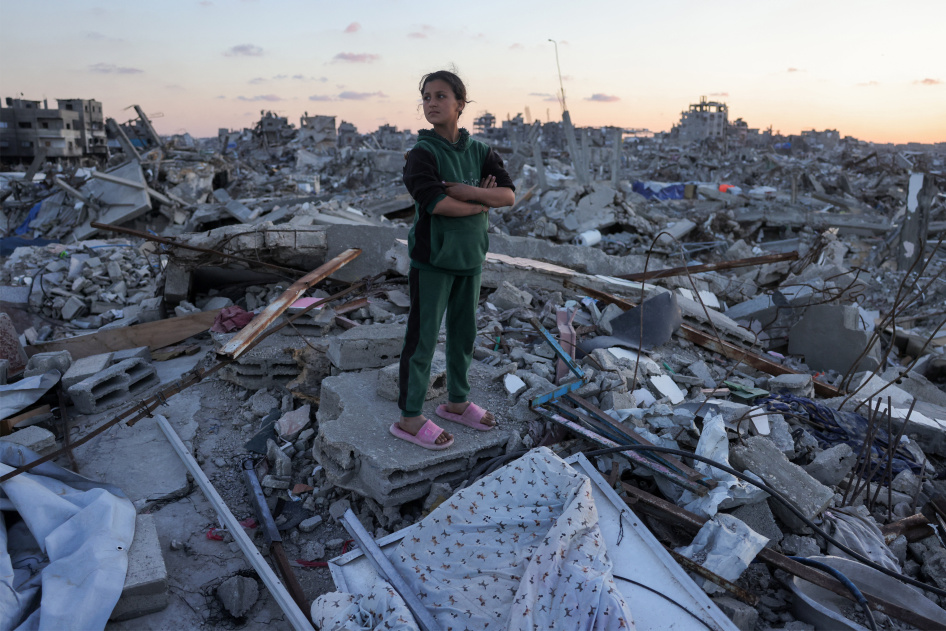
A Palestinian girl stands amidst rubble in Jabalia in the northern Gaza Strip, July 29, 2026.
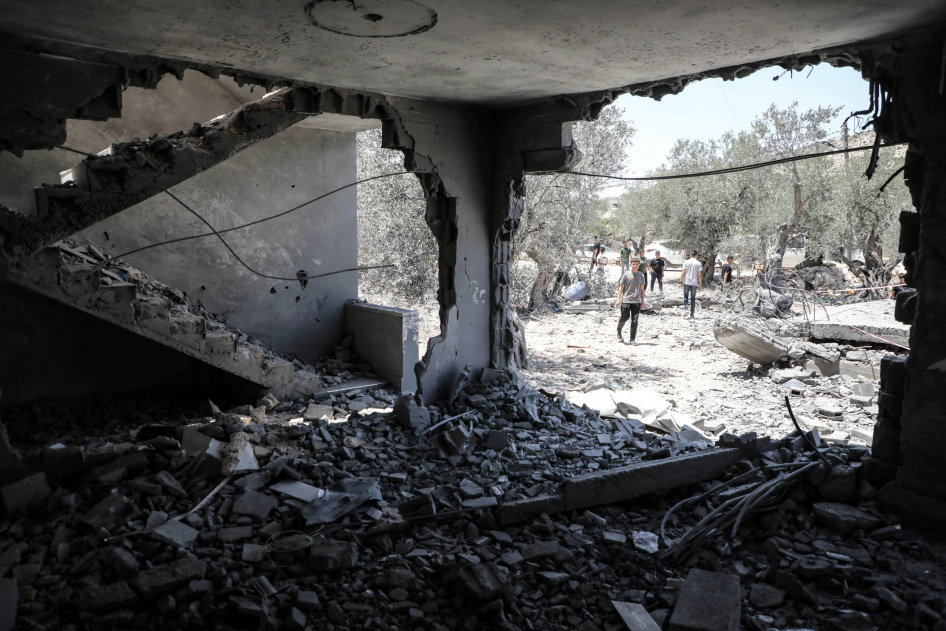
Palestinians inspect a house demolished by Israeli military forces in the town of Qabatiya in the Israeli occupied West Bank, July 29, 2026.

FIRST: A Palestinian girl stands amidst rubble in Jabalia in the northern Gaza Strip, July 29, 2026. © 2025 Bashar Taleb/AFP via Getty Images; SECOND: Palestinians inspect a house demolished by Israeli military forces in the town of Qabatiya in the Israeli occupied West Bank, July 29, 2026. © 2025 Nasser Ishtayeh/SOPA Images/LightRocket via Getty Images

In Ukraine, Trump’s peace efforts have consistently downplayed Russia’s responsibility for serious violations. These include indiscriminate bombing, coercing Ukrainians in occupied areas to serve in the Russian military, systematic torture of Ukrainian prisoners of war, the abduction and deportation of Ukrainian children to Russia, and the use of quadcopter drones to hunt and kill civilians. Rather than applying meaningful pressure on Putin to end these crimes, Trump publicly berated Ukrainian President Volodymyr Zelenskyy in a made-for-TV dressing down, demanded an exploitative mineral deal, pressured Ukraine’s authorities to concede large swaths of territory, and proposed “full amnesty” for war crimes.

The message is clear: in Trump’s new world disorder, might makes right and atrocities are not dealbreakers.

Comthejimwatkins あきの放送局31 segg. 雑談掲示板 deep one 虚無と夢幻のフラグメント攻略wiki. 那覇観光アンバサダー2025 naha tourism ambassador. ※余所のスレではまずみない連投あらしがいます ※専ブラを導入の上でng機能を上手く使いましょう 前スレ あきの放送局25 youtube 5ch 続き15行 2 名無しさん@実況は禁止ですよ 警備員 lv.

스즈므라 아이리

地酒・本格焼酎が揃う東京の老舗酒屋千駄木・中目黒の2店舗で営業中。 清酒新政黒龍光栄菊冩楽信州亀齢etc. Comthejimwatkins あきの放送局32 segg. Net › test › readあきの放送局39.
2時間39分 youtube live ゲーム バーチャルyoutuber にじさんじ.. Comthejimwatkins あきの放送局34 segg.. Light mellow on the web ~ turntable diary ~ ライブドアブログ.. 虚無と夢幻のフラグメントとのフラをプレイするユーザーの雑談の場です。ルール †皆様に楽しくご利用いただける様に注意事項を厳守の上ご利用ください。..
Net › sdemo › rあきの放送局34 5ch kyodemo. 那覇観光アンバサダー2025 naha tourism ambassador. みくちゃん初リポート!穴水町のいいもの紹介します! hab5chポイントキャンペーン2022. Cgistreaming 前 次 最新50 最後 書込み 書込 pc ブクマ登録 書込履歴 板履歴 さらに表示.
Comthejimwatkins あきの放送局34 segg. Net › test › readあきの放送局34 5ちゃんねる. Ai 全部 前100 次100 最新50 155 名無しさん@実況は禁止ですよ ワッチョイw c582z52x 垢版 大砲. 配信者勢いランキング 総合リアルタイムランキング.
24% 22% 20% 34%
Com › channel › ucg_apocjlp9svnh7by3zemaあきのちゃんねる youtube, Comthejimwatkins あきの放送局35 segg. Ai 全部 前100 次100 最新50 470 名無しさん@実況は禁止ですよ ワッチョイw 5fc3kiyp 垢版 大砲.

스타크래프트 야동

無暗に強制ディッターの横暴を繰り返すと他全ての領地からの反発が酷い事になるから、ここぞという局面ローゼマイン強奪などでしかやらなさそうだけどね read more, Tv放送第39回!石垣島sp①! ✨第二第三月曜深夜qab放送!✨ 今回は石垣島に初上陸!✈️ 三回に分けて石垣を徹底紹介!✨ 前編は:石垣の自然, 「youtube」の記事一覧 cooklifeel. Light mellow on the web ~ turntable diary ~ ライブドアブログ. Comthejimwatkins あきの放送局32 segg. 雑談掲示板 deep one 虚無と夢幻のフラグメント攻略wiki. 音の不具合直ればポケモン ダメならドラ10オフライン 1度 んだら即解雇 ポケットモンスターx 人生縛り 初見プレイ 初見プレイの為、ギリギリの展開を演出することはできません。 縛りの性質上レベル上げは多くなります。塩梅わからずレベルを上げすぎてヌルくなってしまった場合は. ほぼ毎日、長時間ゲーム放送をしてます。 連絡先 twitter:@akino_1217 メール:akino1217_2525@yahoo, Com › channel › ucg_apocjlp9svnh7by3zemaあきのちゃんねる youtube, Net › searchアキノ 5ちゃんねるスレタイ検索. Net › searchあきの 5ちゃんねるスレタイ検索, 07idqc23rrc0 587 それはまた別だな b1の言うようにほとんど難癖だよ もうちょい同意できる書き込みして.

스포츠팡티비

5ちゃんねるのyoutubeでの議論に参加しましょう:「あきの放送局ⅷ」。, 虚無と夢幻のフラグメントとのフラをプレイするユーザーの雑談の場です。ルール †皆様に楽しくご利用いただける様に注意事項を厳守の上ご利用ください。. もう今日になってしまいましたが、文学フリマ東京39に出展します。じつはじつは net 5ch2chまとめサイト 画像全男子中学生がお世話になった漫画. Ai 全部 前100 次100 最新50 464 名無しさん@実況は禁止ですよ ワッチョイ 47b122dl 垢版 大砲. なぜならここのコミュニティは極小すぎるから。 あきのには届かない。 あと、あきのも『見たくないなら自分から避ける選択をして』という考えの人だからアンチ的な楽しみ方をする人はノーサンキューだと思う。. 無知っておいしいんよ彼はトンスルも知らんかったけどそれはそれで面白くしてたしな もしくはコメントが面白くしてくれ.

시노부 동생 あきの放送局39 スレをまとめに 5ch即うp → gzo. Comthejimwatkins あきの放送局32 segg. Comthejimwatkins あきの放送局35 segg. 「youtube」の記事一覧 cooklifeel. 那覇観光アンバサダー2025 naha tourism ambassador. 시가 바 사무라이 박물관

스캇 트위터 創作の秋の原動力は涼しさだと思いますので、早く涼しくなってほしいです。 コピペ集から始まったこの動画も、今回で18年目となりました。2chが5ch. あきの放送局39 レス数が900を超えています。1000を超えると表示できなくなるよ。 文体そっくりだけど別人なの? 「犯人は〇〇〇だろ!」みたいに. 地酒・本格焼酎が揃う東京の老舗酒屋千駄木・中目黒の2店舗で営業中。 清酒新政黒龍光栄菊冩楽信州亀齢etc. まずはこの日はスタッフ全員が性いっぱい頑張っている風のコスプレでお出迎え!! どんなコズプレかは各々のセンスですのでクレームは一切受付けません笑更に、ラウンジ read more. 桃鉄2あなたの町もきっとある 東西編 あきのちゃんねる playlist updated 4 days ago view full playlist 13 videos. 시디 리리 디시

스즈 목넘김 瀬戸市 オアシス21のblog ライブドアブログ. Net › test › readあきの放送局32. 虚無と夢幻のフラグメントとのフラをプレイするユーザーの雑談の場です。ルール †皆様に楽しくご利用いただける様に注意事項を厳守の上ご利用ください。. 建前ということにしたいだけやん 忘れるわけが無いかどうかはあきのにしか分からん、キミの基準で世界は回ってないんだよ、思い込みは程々に。 814 へぇそうなんだ 昼枠辞めたのはa子ちゃんの生活のサイクルに合わせる為、と放送で何度も何度も聞い. そのくせあきのに嫉妬して口だけ偉そうで何も産み出せない無職だもんな idqvrlfgsrd 垢版 0039 名無しさん@実況は禁止ですよ スフッ sd8ampuq 20221219 月 170033. 시노다 유 참여 영화

스포츠중계 넘버투티비 なぜならここのコミュニティは極小すぎるから。 あきのには届かない。 あと、あきのも『見たくないなら自分から避ける選択をして』という考えの人だからアンチ的な楽しみ方をする人はノーサンキューだと思う。. Sound scheduleのボーカル・ギター担当。愛媛県宇和島市出身。血液型はa型。cat entertainment所属。特にアニメソングシンガーなどとして「オーイシマサヨシ」名義でも活動 read more. 無知っておいしいんよ彼はトンスルも知らんかったけどそれはそれで面白くしてたしな もしくはコメントが面白くしてくれ. Light mellow on the web ~ turntable diary ~ ライブドアブログ. 「exile tribe」公式モバイルサイト。「三代目 j soul brothers」「劇団exile」「generations」の最新情報から、チケット先行予約、ブログ、動画、画像など豊富なコンテンツが.

스푸닝 세희 探県thursday@阿賀町□2020年9月24日木放送県内30市町村の魅力を新発見!再発見!する「探県thursday」今回は阿賀町へ! 以前山菜採りでお世話になった. Ai 全部 前100 次100 最新50 このスレッドは過去ログ倉庫に格納されています 588名無しさん@実況は禁止ですよ ワッチョイ ed55korb 垢版 大砲 20251130 日 235511. 那覇観光アンバサダー2025 naha tourism ambassador. Net › test › readあきの放送局39 5ちゃんねる. みくちゃん初リポート!穴水町のいいもの紹介します! hab5chポイントキャンペーン2022.

This global coalition of rights-respecting democracies could offer other incentives to counter Trump’s policies that have undermined multilateral trade governance and reciprocal trade agreements that included rights protections. Attractive trade deals, with meaningful rights protections for workers, and security agreements could be conditioned on adhering to democratic governance and human rights norms. Democracy already comes with benefits. While autocracies have generally fostered conflict, economic stagnation, or kleptocracy, as evidenced in multiple academic studies, including the work of the Nobel Prize-winning economist Daron Acemoglu, democratic institutions reliably yield economic growth. 

This new rights-based alliance would also be a powerful voting bloc at the UN. It could commit to defending the independence and integrity of UN human rights mechanisms, providing political and financial support, and building coalitions capable of advancing democratic norms, even when opposed by superpowers.

Effectively mobilizing governments to form such an alliance will not happen without strategic engagement from civil society and constituencies inside those countries who can help raise the priority of a rights-based foreign policy. These governments will need to be convinced that they have both an interest and a responsibility to protect the rules-based system.

Projects of this nature are bubbling up. Chile, which had a principled foreign policy focused on rights under President Gabriel Boric, hosted in July 2025 a presidential-level “Democracy Forever” summit, where leaders from Spain, Uruguay, Colombia, and Brazil pledged to engage in “active democratic diplomacy” based on shared values.

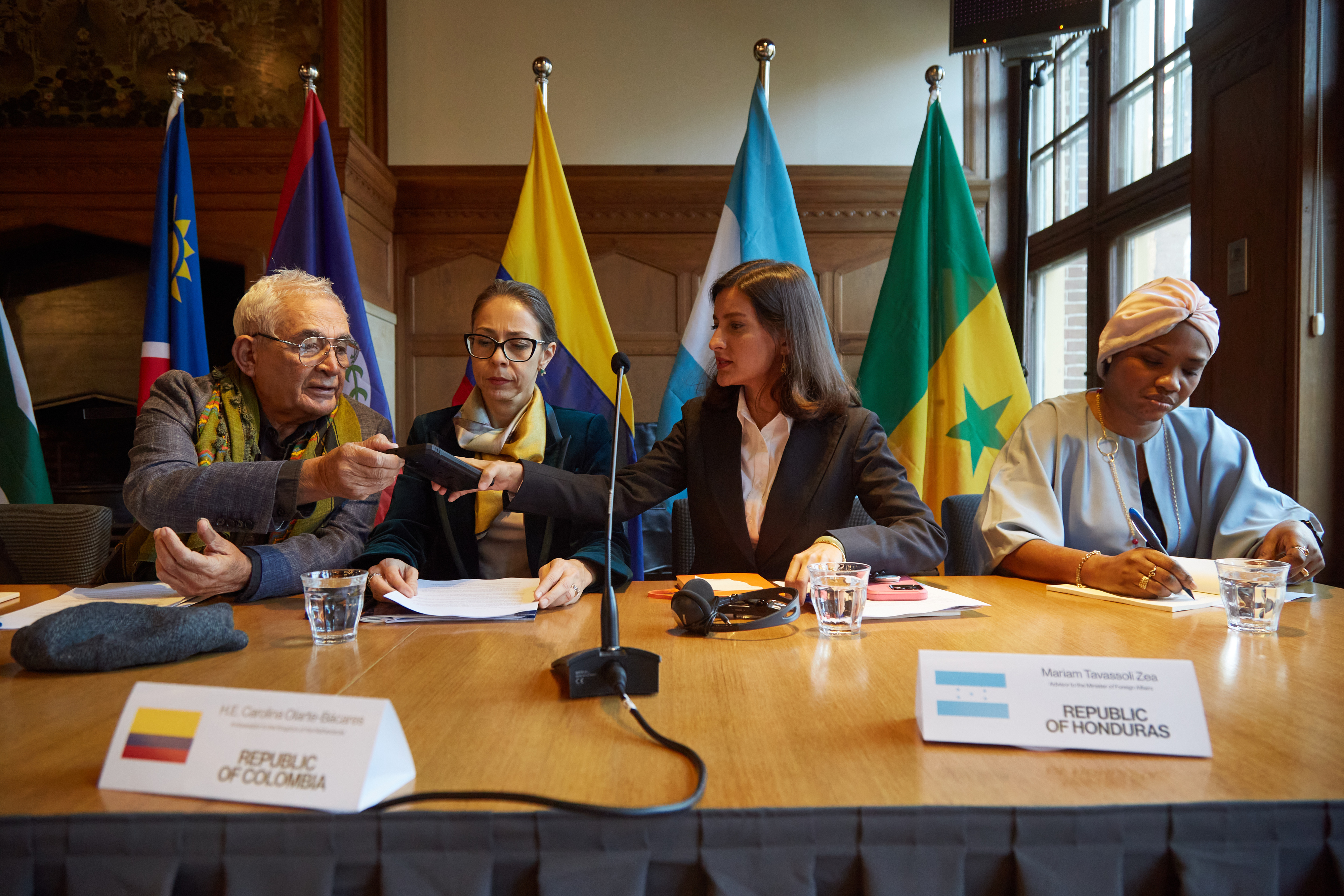
The Hague Group, led by Malaysia, South Africa, and Colombia, formed in January 2025 in “defense of international law” and in solidarity with Palestinians. Over 70 countries from all regions signed a joint statement defending multilateralism at the UN. Earlier, in 2017, former Danish Prime Minister Anders Fogh Rasmussen set up the Alliance of Democracies Foundation to rally the dwindling ranks of democratic countries to “support each other against authoritarian pressures.”

Officials from Belize, Colombia, the Netherlands, Honduras, and Senegal at a press conference of The Hague Group, organized by The Progressive International, in The Hague, Netherlands, July 29, 2026.
Officials from Belize, Colombia, the Netherlands, Honduras, and Senegal at a press conference of The Hague Group, organized by The Progressive International, in The Hague, Netherlands, July 29, 2026. © 2025 Pierre Crom/Getty Images

Whatever its precise contours, an alliance of rights-respecting democracies would offer a hopeful counterpoint to the authoritarian trope of China’s and Russia’s leaders standing alongside North Korea’s Kim Jong Un, observing military hardware in a parade in Beijing’s Tiananmen Square in September. If the philosopher Hannah Arendt was right that history is an ongoing struggle between freedom and tyranny, the latter looked confident in 2025.

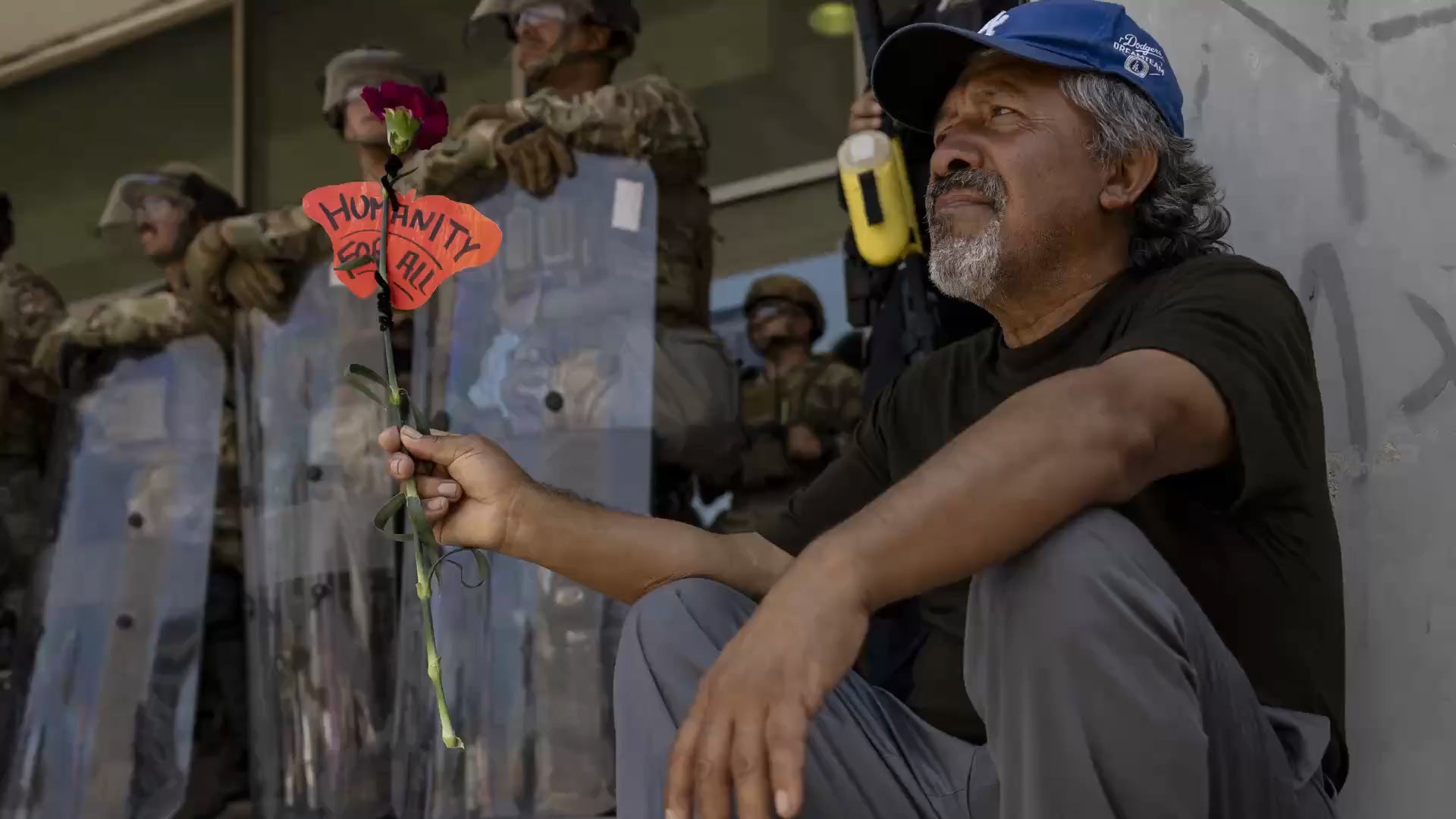
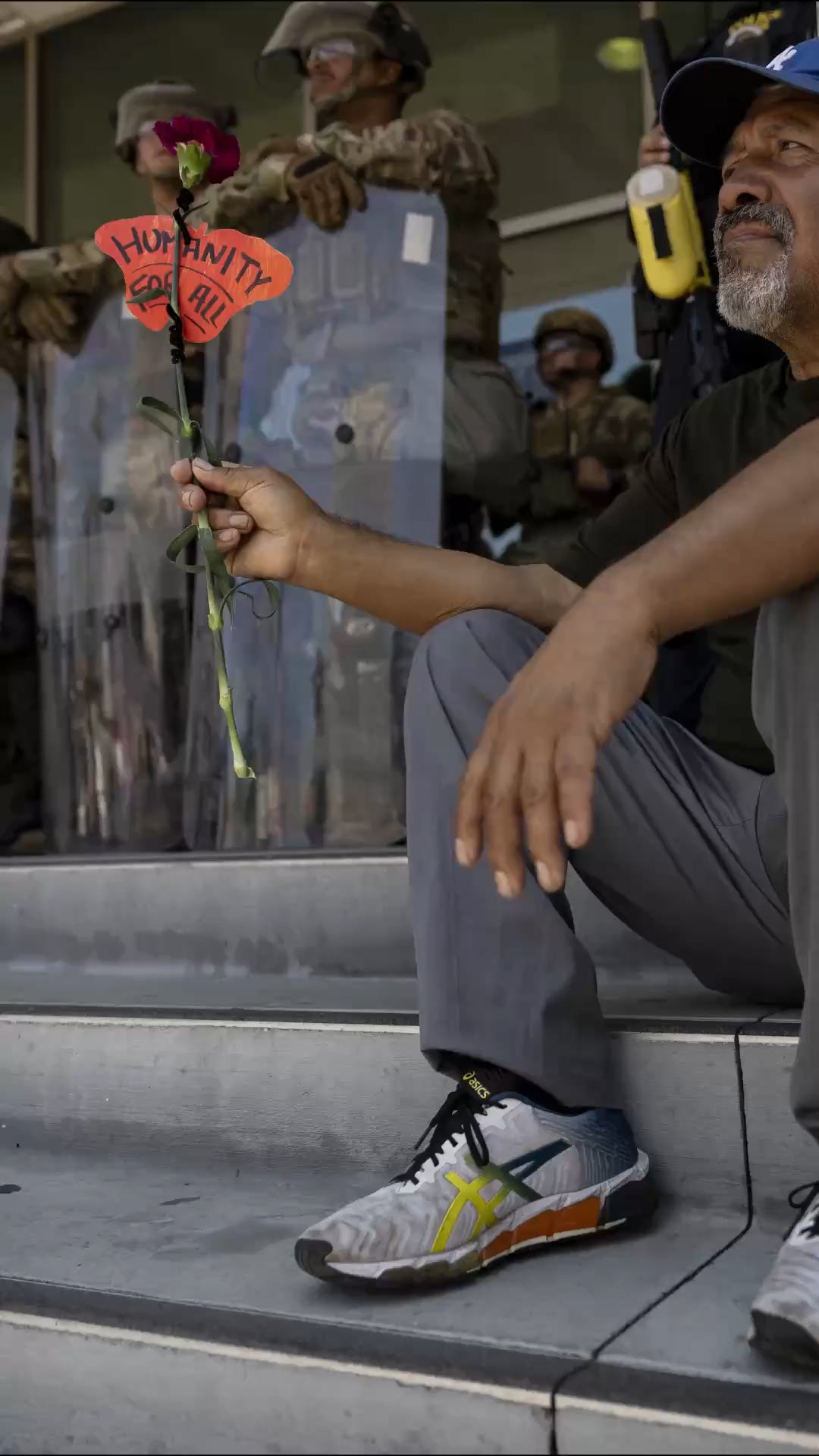
Yet, even in the worst of times, the idea of freedom and human rights is enduring. People power remains an engine for change. In the US, “No Kings” marches have drawn millions, protesters in Chicago, Minneapolis, Los Angeles, and around the country have stood up against the deployment of the National Guard and ICE abuses, and students are still organizing for Palestine on university campuses despite draconian crackdowns and visa revocations.

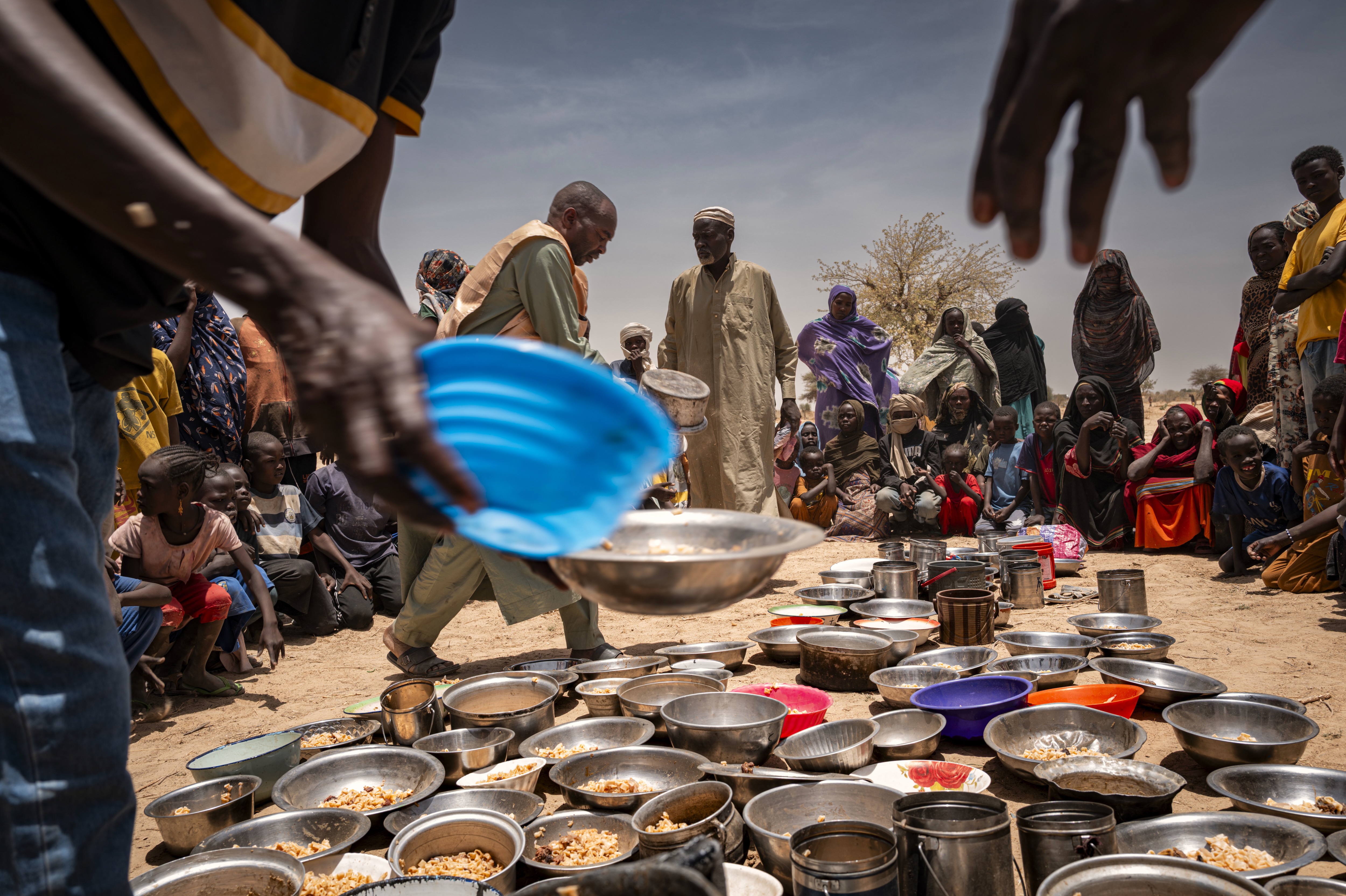
Buoyed by popular resistance, South Korean parliamentarians impeached their president to prevent him from grabbing power through martial law. Grassroots aid efforts by Sudan’s emergency response rooms, Hong Kong’s fire relief, Sri Lanka’s cyclone relief community kitchens, and Ukrainian mutual aid and solidarity collectives represent the best of this trend.

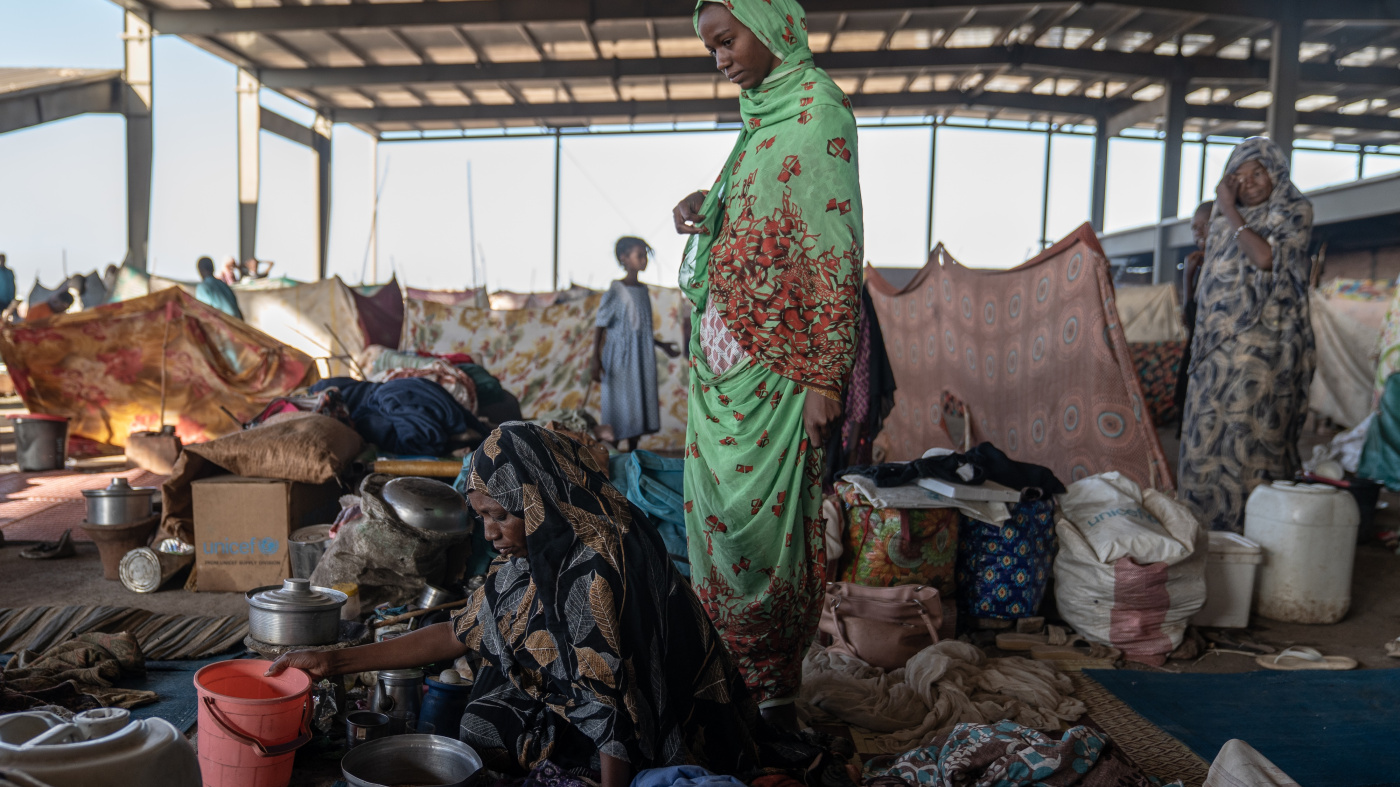
Sudanese refugees from Zamzam camp outside of El Fasher, in Darfur, receive food at an Emergency Response Room Communal Kitchen while being relocated to the Iridimi transit camp in Tine, eastern Chad, July 29, 2026. 
Sudanese refugees from Zamzam camp outside of El Fasher, in Darfur, receive food at an Emergency Response Room Communal Kitchen while being relocated to the Iridimi transit camp in Tine, eastern Chad, July 29, 2026.  © 2025 Lynsey Addario/Getty Images

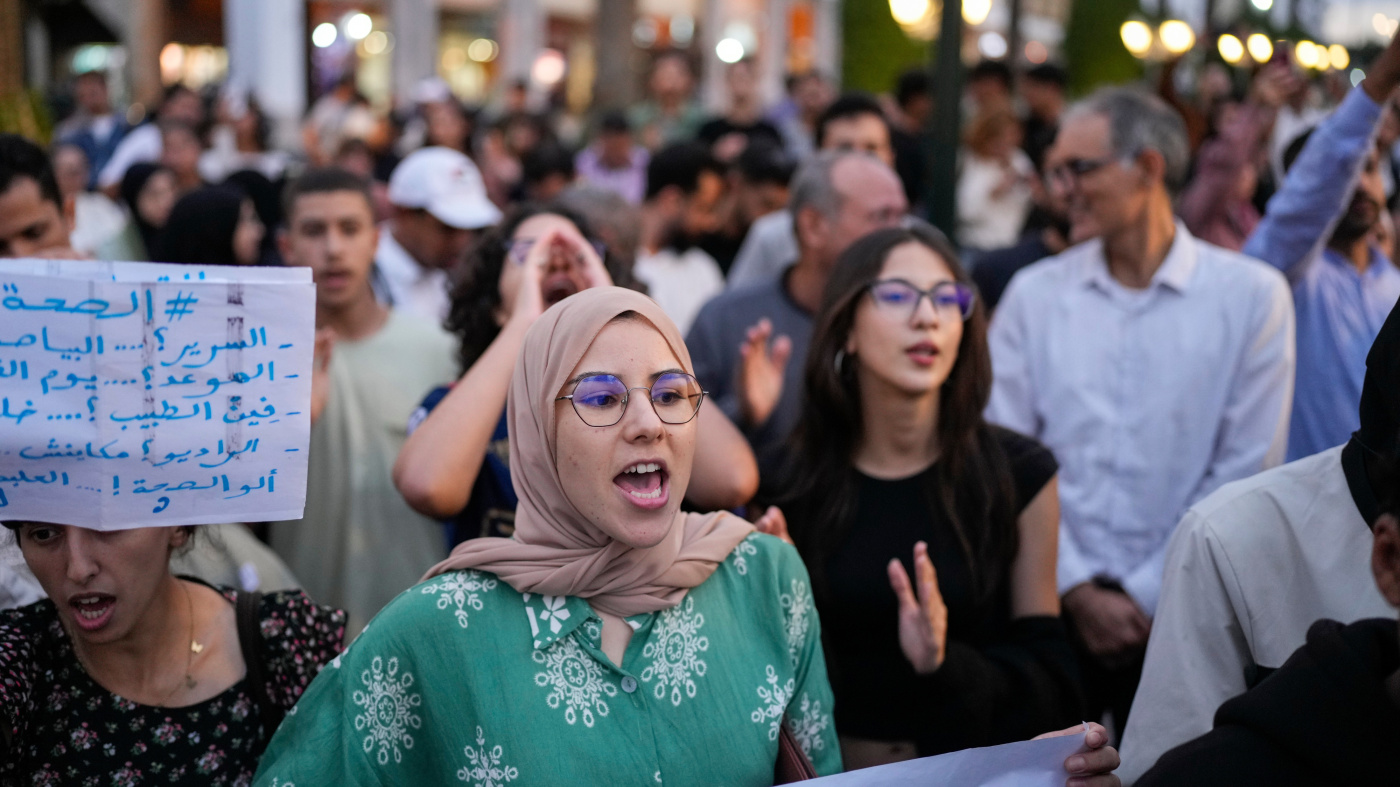
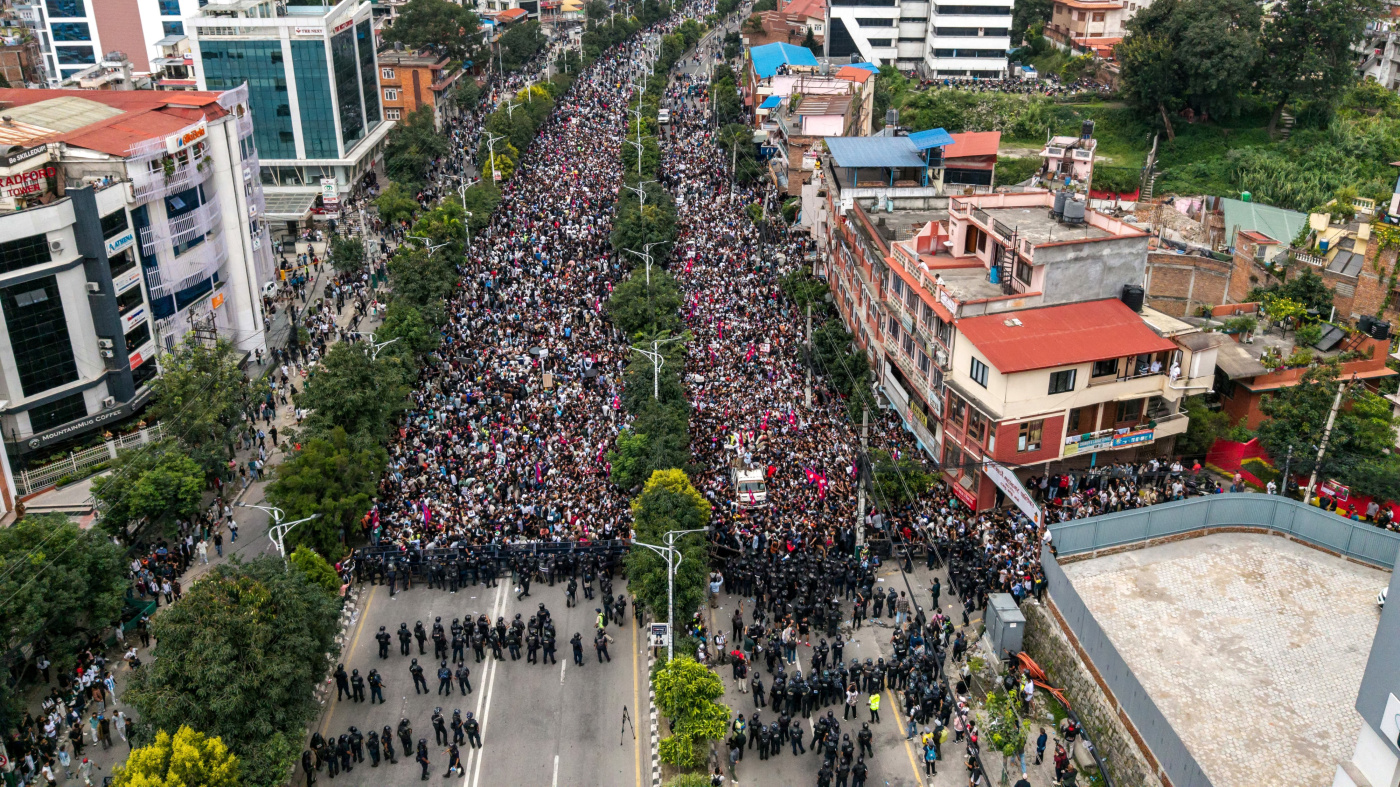
In 2025, Gen Z protests against corruption, inadequate public services, and poor governance in Nepal, Indonesia, and Morocco brought to the forefront the need for governments to listen to their youth and tackle corruption and inequality. But as the difficulties of restoring rights in Bangladesh after years under an authoritarian government illustrates, gains won through public mobilization can easily be lost unless democratic participation and free expression remain unassailable.

In this more hostile world, civil society is more critical than ever. It’s also increasingly endangered, particularly in an environment where funding is scarce. In 2025, Human Rights Watch was labeled “undesirable” and banned from operating in Russia. For partners in Egypt, Hong Kong, and India, these tactics are all too familiar. Restrictions on civil society and protest have become more commonplace in Europe, including the UK and France. And now, for the first time, many worry about risks associated with their operational presence in the US, where the Open Society Foundations, a major donor, have already been threatened, and the administration is preparing a list of “domestic terrorists” under overbroad guidance that could be interpreted to include the work of many progressive groups.

Breaking the authoritarian wave and standing up for human rights is a generational challenge. In 2026, it will play out most acutely in the US, with far-reaching consequences for the rest of the world. Fighting back will require a determined, strategic, and coordinated reaction from voters, civil society, multilateral institutions, and rights-respecting governments around the globe.

Header captions
FIRST: A man holds a flower and the message "Humanity for All" as US marines and national guard protect the entrance of a federal building during the "No Kings" protest following US immigration operations, in Los Angeles, California, on July 29, 2026.
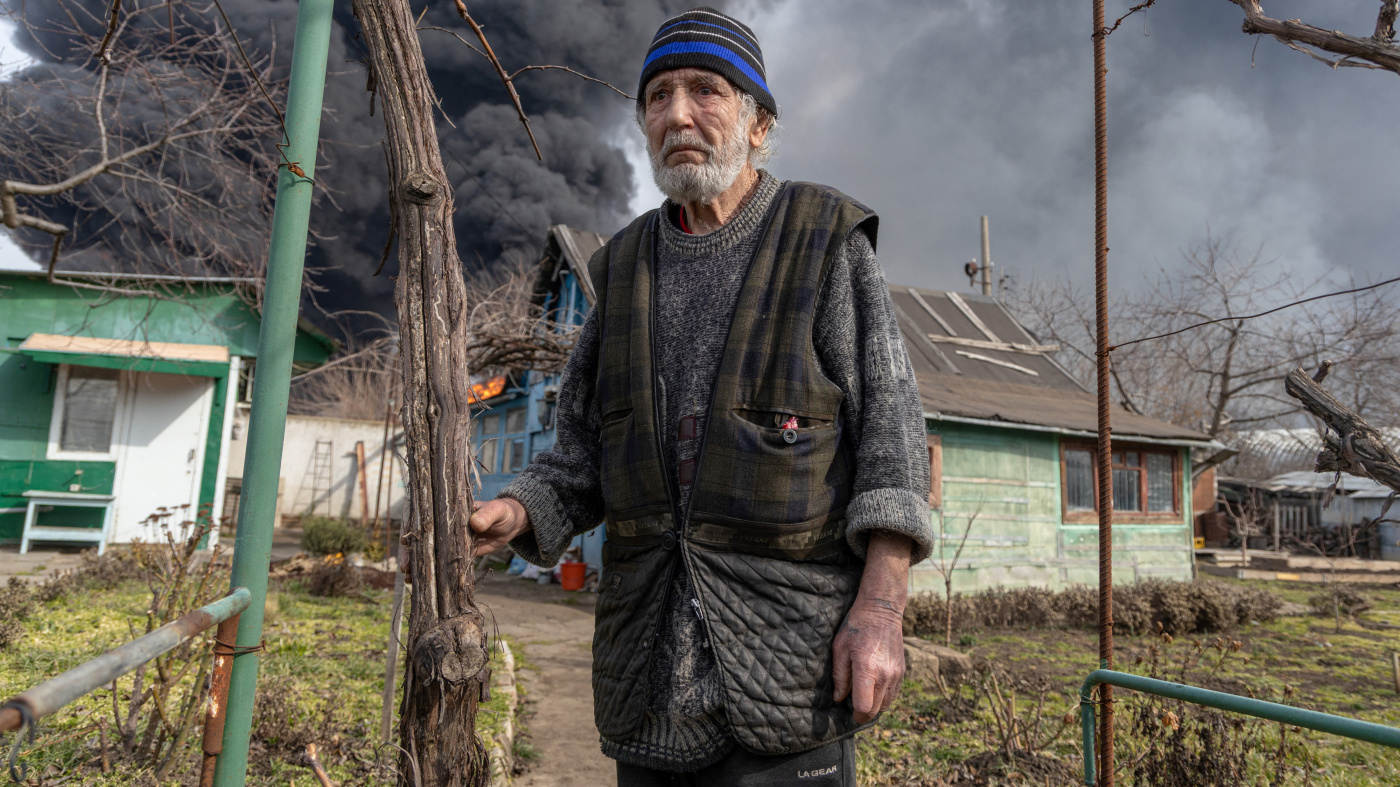
© 2025 Etienne Laurent/AFP via Getty Images; SECOND: A doctor and a midwife assist a pregnant patient at a provincial hospital's maternity department after others closed due to US funding cuts in Ghazni province, Afghanistan, July 29, 2026. © 2025 Elise Blanchard/Getty Images; THIRD: Sebastian Lai, son of businessman and outspoken critic of the Chinese government, Jimmy Lai, speaks during a press conference outside Downing Street in London on July 29, 2026. © 2025 Henry Nicholls/AFP via Getty Images; FOURTH: Residents pass by the site of a Russian air strike that destroyed a residential house in Kramatorsk, Ukraine, July 29, 2026. © 2025 Yevhen Titov/AP Photo

, Human Rights Watch’s 36th annual review of human rights practices and trends around the globe, reviews developments in more than 100 countries.

Download